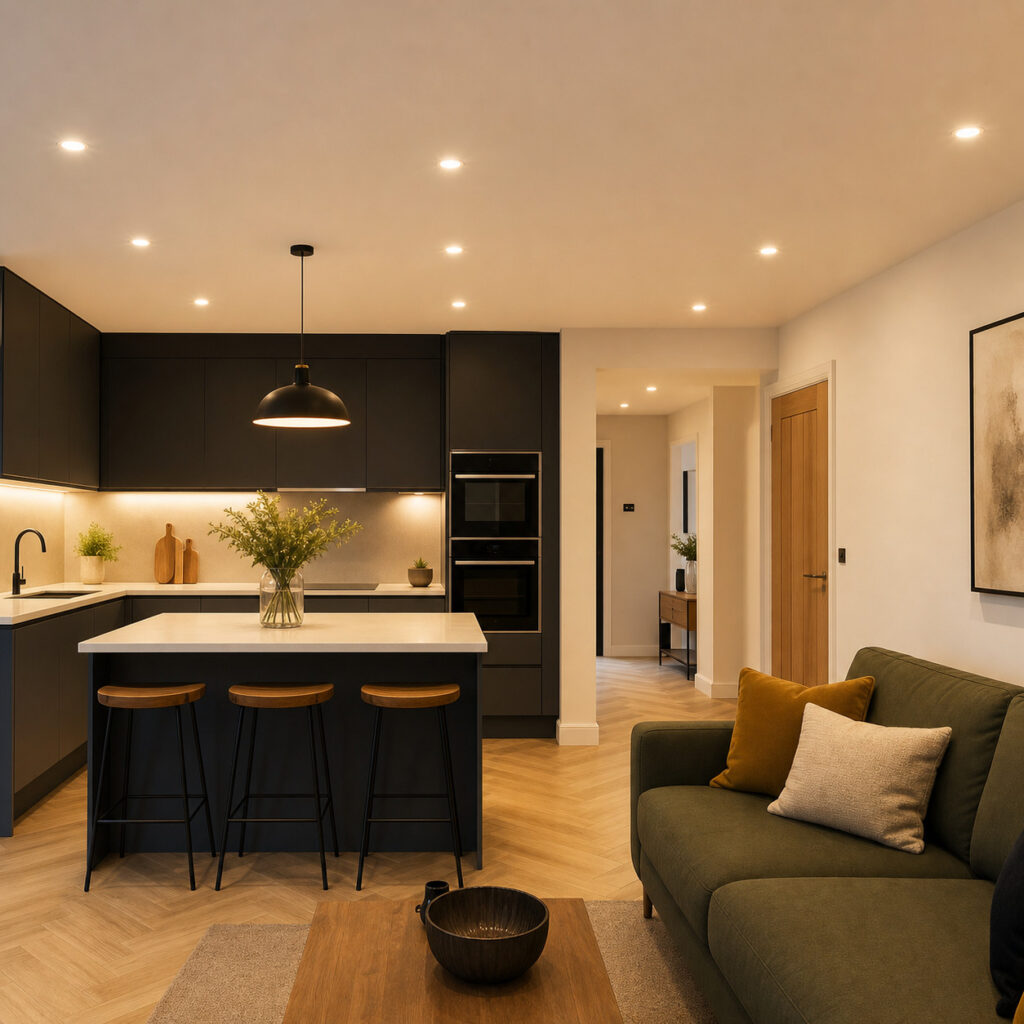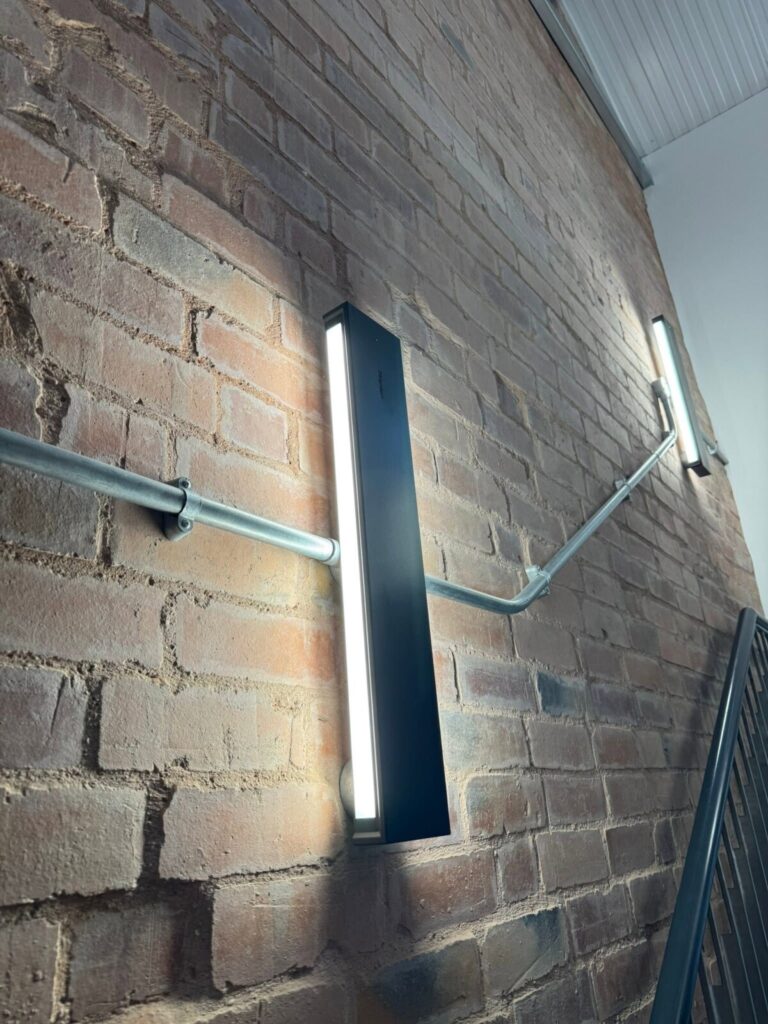



Electrical improvements can make a property in Symonds Yat West safer, easier to use and better prepared for modern equipment. From additional sockets and dedicated circuits to outdoor power and lighting controls, each alteration should be designed as part of the wider electrical system.
A clear assessment at the beginning helps determine what the existing installation can support and how the work can be completed with minimal disruption.
Planning around the existing installation
Properties vary in age, construction and wiring layout. Before new circuits or accessories are added, the supply, earthing arrangements, protective devices and available routes should be reviewed. This helps prevent unsuitable loads being added to older equipment and provides a practical plan for the installation.
Coordinating several improvements at once can keep cable routes tidy and reduce repeated work. Socket positions, fixed-appliance supplies, lighting switches and outdoor connections can all be considered together.
Adding useful socket outlets
Too few sockets often leads to extension leads and multi-way adaptors becoming a permanent feature. Additional outlets positioned for the way each room is furnished can provide a neater and more convenient solution.
Home offices, kitchens, utility areas and workshops may also need dedicated supplies for particular equipment. The circuit design, cable size and protection should match the intended load and the conditions along the cable route.
Reviewing circuit protection
The consumer unit distributes power and houses the devices that protect the property’s circuits. When significant alterations are planned, its condition, available capacity and protective arrangements should be assessed.
Where an older board is no longer suitable, a consumer unit upgrade can provide modern protection and clearer circuit organisation. Any decision should be based on the condition of the complete installation and the work being proposed.
Improving indoor and outdoor lighting
Modern electrical work offers an opportunity to make lighting more practical and efficient. LED fittings, compatible dimmers and occupancy controls can reduce unnecessary energy use while giving rooms greater flexibility.
A carefully planned lighting installation considers fitting positions, brightness and how the space is used. Outdoors, weather-suitable fittings can improve access around entrances, paths and parking areas without creating excessive glare.
Dealing with existing electrical faults
Flickering lights, intermittent sockets, warm accessories or protective devices that operate unexpectedly should be investigated before further work is connected. These symptoms can point to damaged equipment, loose connections or faults within a circuit.
Professional electrical fault finding can isolate the cause and identify the remedial work required. Resolving existing problems first helps create a dependable foundation for new electrical improvements.
Outdoor supplies in Symonds Yat West
External sockets, garden lighting and supplies to garages or outbuildings can make outdoor areas more useful. Equipment and cables need protection from moisture, impact and other environmental conditions, with routes chosen to avoid trip hazards and vulnerable connections.
Considering possible future requirements during the design stage can also prevent finished surfaces from being disturbed again. Spare capacity and sensible routes may make later additions more straightforward.
Inspection, testing and handover
New and altered circuits should be inspected and tested when the work is complete. Accurate labelling and a clear explanation of controls and protective devices help customers use the installation confidently and support future maintenance.
RP Electrical Installation can assess homes and businesses in Symonds Yat West, discuss suitable improvements and plan work around the property’s existing electrical system.
Arrange an electrical assessment
An on-site assessment allows the required improvements, existing equipment and practical cable routes to be considered together. This creates a clear path towards an installation that is safe, useful and appropriate for the property’s present and future needs.