


A dedicated home charger makes electric vehicle ownership more convenient, but a successful installation begins with more than choosing a unit from a catalogue. For homes in King’s Caple, the existing electrical supply, parking position and preferred cable route all need to be considered together.
A site assessment helps match the charger to the vehicle and the property while identifying any electrical improvements required before installation.
Choose a charger that suits daily driving
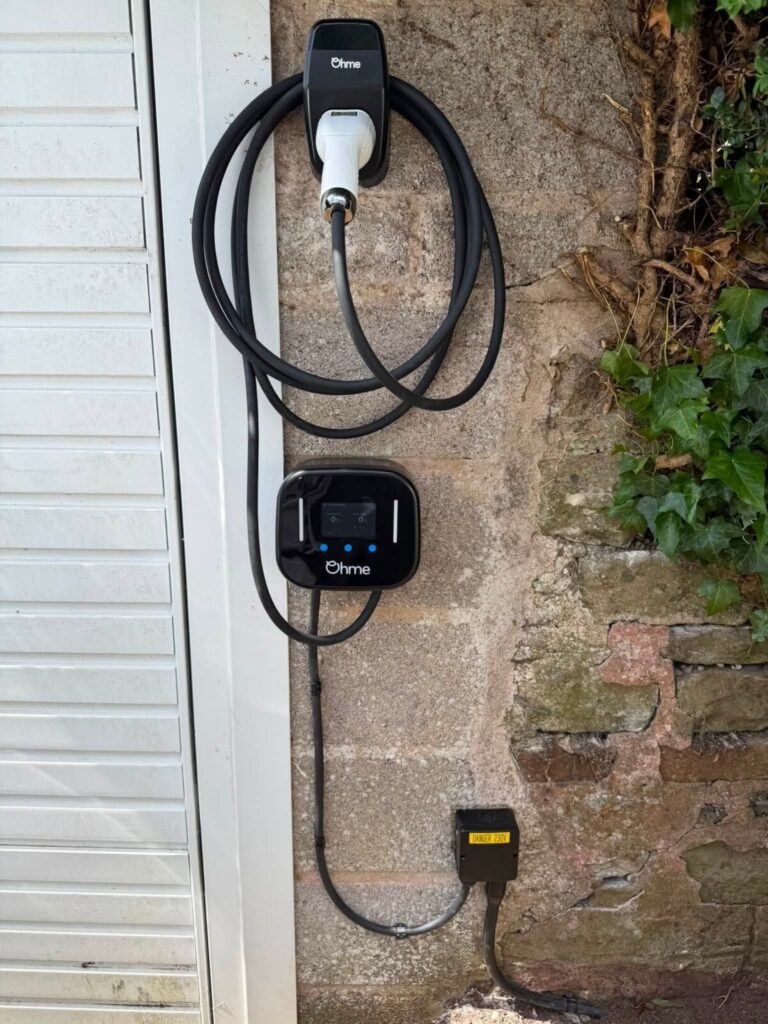
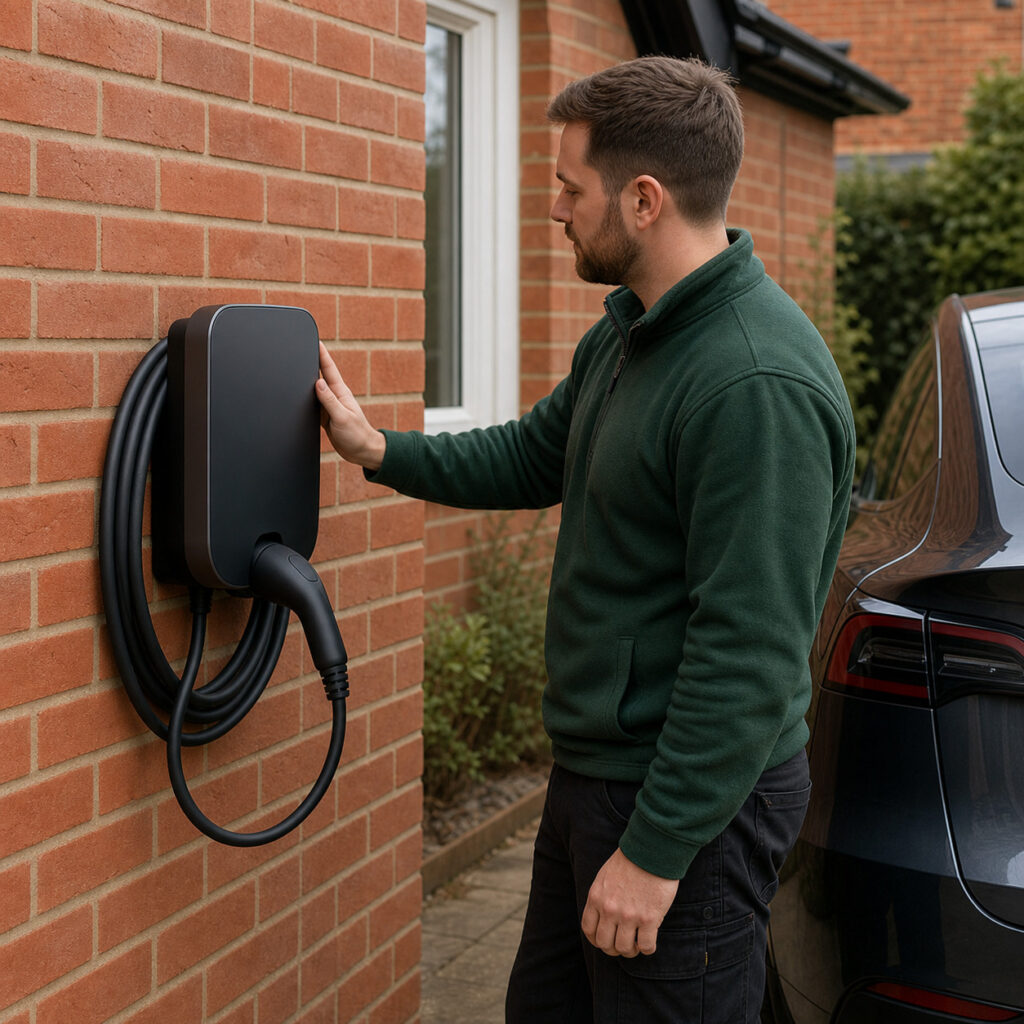
Home EV chargers vary in power rating, cable arrangement and smart features. A tethered charger keeps its lead attached and ready to use, while an untethered model allows the cable to be stored separately. The right choice depends on the vehicle, parking routine and how visible the equipment will be.
Smart controls may allow charging to be scheduled for selected times, display energy use and manage demand alongside other appliances. These features should be configured around the household’s normal electricity use rather than treated as an afterthought.
Assess the electrical supply first
An EV charger normally requires a dedicated circuit with suitable protection. Before work begins, the incoming supply, earthing arrangements, consumer unit and available capacity should be checked. This establishes whether the existing installation can support the proposed charger safely.
If the distribution equipment is unsuitable or lacks capacity, a consumer unit upgrade may be discussed as part of the project. It is not automatically required for every charger installation, so the decision should be based on the condition and specification of the existing equipment.
Plan a practical charger position
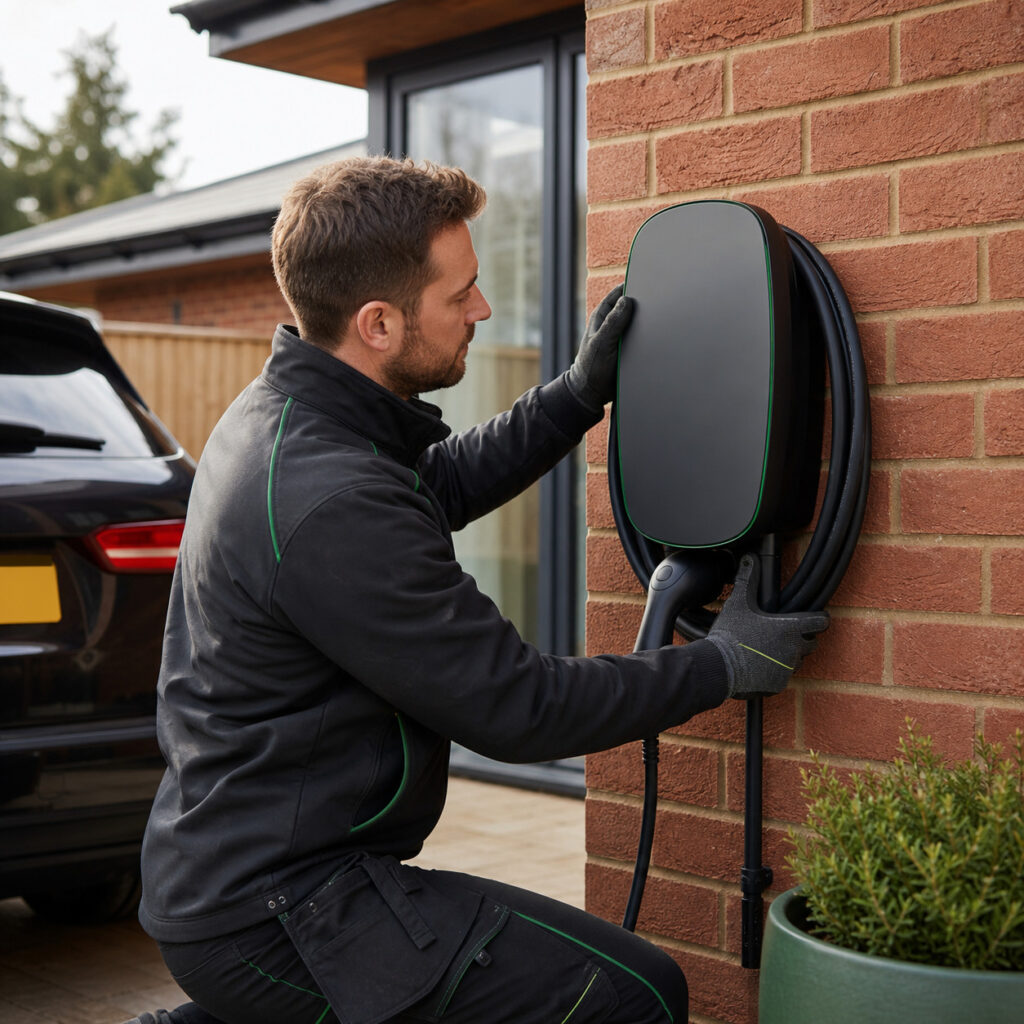
The charging lead should reach the vehicle’s inlet without being stretched across a path or creating a trip hazard. The wall construction, usual parking position and route back to the consumer unit all influence where the charger can be installed neatly.
Outdoor equipment must suit the environment and be positioned where it is protected from likely impact. Allowing space around the unit also makes everyday use and future maintenance more straightforward.
Coordinate lighting around the parking area
Clear lighting can make plugging in easier during dark evenings, especially where there are steps, gates or changes of level. A carefully positioned fitting can illuminate the connection area without creating unnecessary glare for neighbouring properties.
Where lighting is being improved at the same time, a planned lighting installation can coordinate switches, sensors and cable routes with the charger work. Combining related improvements may reduce disruption and keep external accessories looking consistent.
Resolve existing electrical problems
Intermittent power, warm accessories or protective devices that operate unexpectedly should be investigated before a charger is added. These symptoms may point to a loose connection, damaged component or circuit issue elsewhere in the installation.
Professional electrical fault finding can locate the cause and confirm what remedial work is needed. Starting from a dependable electrical system supports reliable charging and avoids masking an existing problem.
Testing and charger handover
After installation, the new circuit and charger should be inspected and tested. The customer should be shown how to connect the vehicle, use scheduling or app controls and recognise the unit’s normal status indications.
RP Electrical Installation can assess properties in King’s Caple, review the available supply and plan a tidy route between the consumer unit and parking area. The aim is a practical installation that fits the vehicle, property and household routine.
Arrange an EV charger assessment
An on-site assessment is the best starting point for a home charger. It provides the information needed to select suitable equipment, confirm the installation requirements and prepare a clear plan before work begins.