


Electrical work in a Bredwardine home deserves careful planning, particularly where older construction, extensions, outbuildings and changing household demands all meet in one property. A reliable installation is not simply a collection of sockets and light fittings. It is a coordinated system designed around how the property is used now, how it may change later and how safely every circuit can be inspected, maintained and upgraded.
Whether you are renovating a cottage, fitting out a new kitchen or improving power provision in a home office, early electrical planning can prevent disruptive alterations later. This guide explains the main decisions homeowners should consider before work begins and how a qualified electrician can turn those decisions into a safe, practical installation. For broader service information, see our electrical installation service.
Begin with a Room-by-Room Electrical Plan
The most useful starting point is a room-by-room review of daily routines. Consider where furniture will sit, where appliances will be used and which areas need flexible power rather than one fixed outlet. In a kitchen, this means planning dedicated supplies for ovens, hobs, dishwashers, refrigeration and extractor equipment, while also allowing convenient sockets for small appliances without relying on extension leads.
Living rooms and bedrooms benefit from thinking beyond the current layout. Television positions, bedside charging, desk equipment and lamps can all influence socket height and location. In a home office, a sensible plan may include additional outlets for monitors, printers, networking equipment and future changes. Mapping these requirements before walls are closed makes the finished installation cleaner and reduces the temptation to overload a single circuit.
Account for Older Properties and Extensions
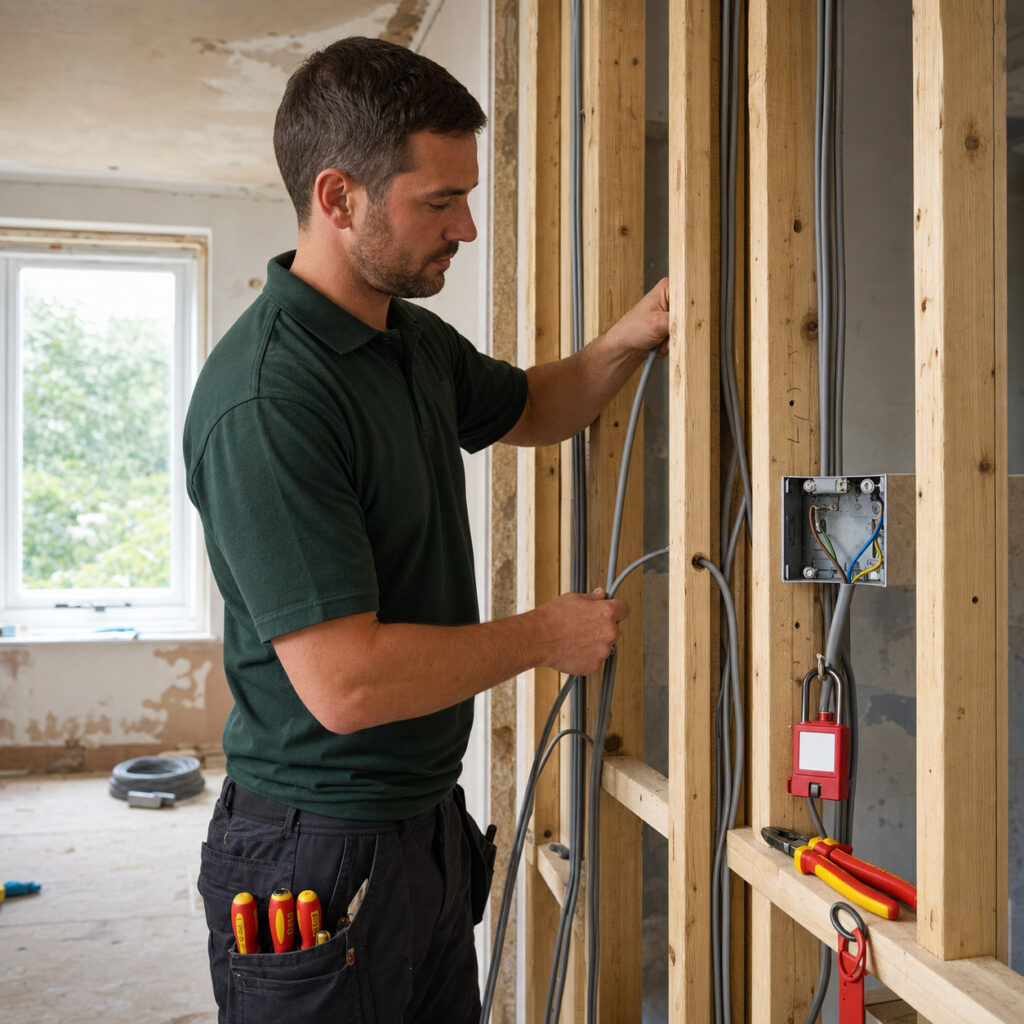
Many homes around Bredwardine combine older fabric with later additions. Existing wiring may have been altered several times, with different cable routes, accessories or protective arrangements in separate parts of the property. An electrician should assess the installation as a whole rather than assuming that a new extension can be connected without reviewing the original consumer unit and incoming supply.
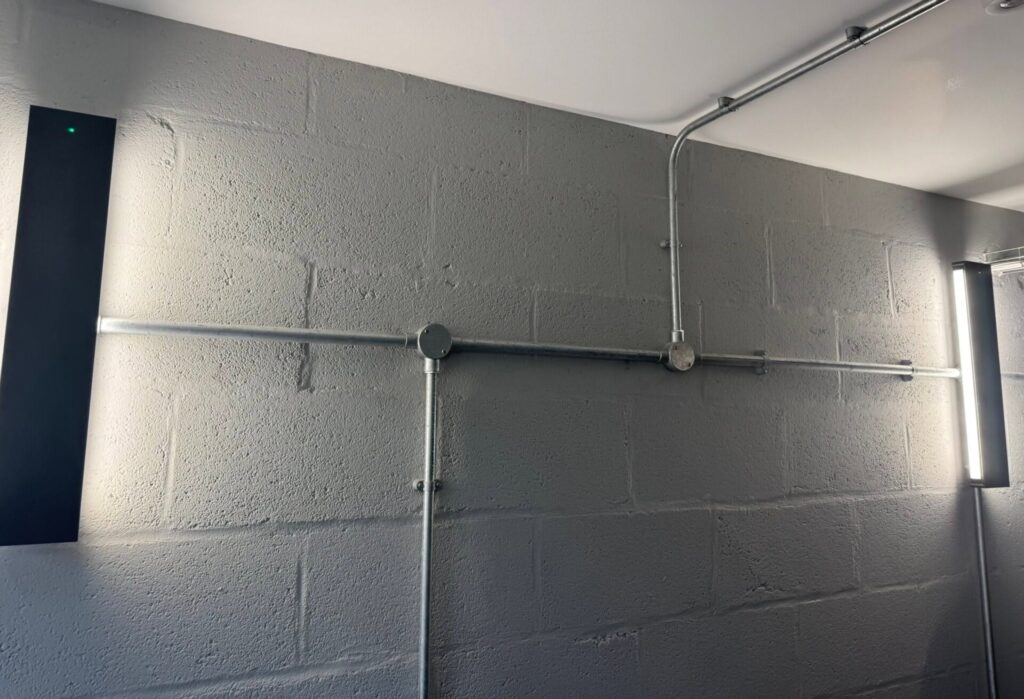
Extensions, converted rooms and detached buildings also introduce practical questions about cable routes, earthing, environmental conditions and isolation. Outbuildings may need protection from moisture and mechanical damage, while long cable runs can affect voltage performance. Planning these details early helps determine whether a new circuit, sub-board or upgraded protective device is appropriate and ensures the work is coordinated with other trades.
Choose Circuits for Safety and Everyday Convenience
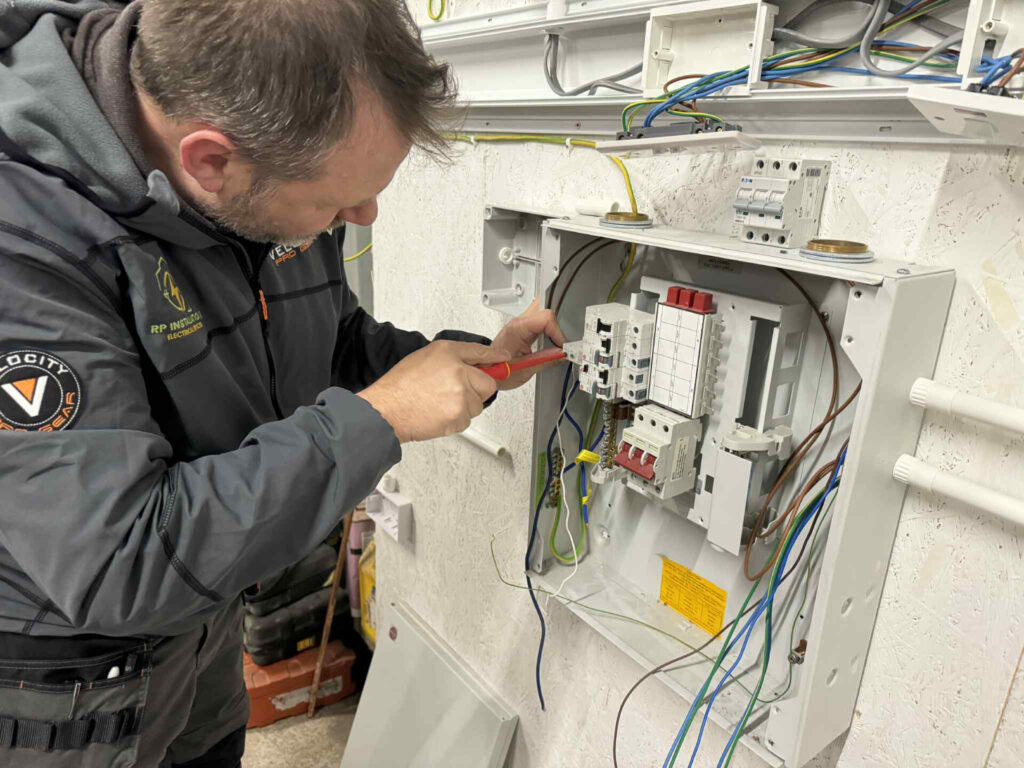
A well-planned installation separates demand sensibly. Lighting, general sockets, kitchen appliances, heating equipment and external supplies may each require their own circuit arrangements, depending on the property and the intended load. This separation makes faults easier to identify and limits the effect of one problem on the rest of the home.
It is also worth considering future demand. Heat pumps, induction cooking, electric vehicle charging and larger workshop equipment can change the load profile significantly. Even if these are not being installed immediately, allowing space in the consumer unit and discussing capacity with the electrician may avoid an expensive redesign. Electrical planning should balance present requirements with realistic future use rather than simply installing the minimum possible today.
Place Sockets, Switches and Lighting Thoughtfully
Good positioning improves both comfort and safety. Sockets should be accessible without being hidden behind permanent furniture, while switches should be easy to find when entering a room. In kitchens and utility spaces, socket locations need to work with splash zones, worktop layouts and appliance clearances. External sockets and lighting should be selected and installed for their environment, with suitable protection and clear isolation arrangements.
Lighting deserves the same attention as power. A layered approach can combine general illumination, task lighting and softer accent fittings. In a kitchen, bright worktop lighting may be more useful than relying on one central pendant. In circulation areas and rural properties, well-positioned exterior lighting can improve visibility around paths, entrances and parking areas without creating unnecessary glare for neighbours.
Plan Testing, Certification and Future Access
Testing is part of the installation, not an optional final extra. Once work is complete, the electrician should carry out the appropriate inspection and tests, identify any issues and provide the relevant certification for the work undertaken. This documentation gives the homeowner a clear record of what has been installed and can be valuable when selling, extending or arranging future maintenance.
Future access matters too. Junctions, isolation points and consumer-unit labels should be clear and practical. Keep certificates, circuit information and product instructions together so another professional can understand the installation later. If you are also considering an electric vehicle, our EV charger installation guidance explains why charger location and supply capacity are best considered alongside wider electrical plans.
Work with a Local Electrical Installation Team
Local conditions and property layouts can make a meaningful difference to the best solution. A site visit allows the electrician to discuss your priorities, inspect the existing installation, identify constraints and explain where choices may affect cost or future flexibility. Clear communication at this stage is often what separates a tidy, dependable result from a series of compromises made during the work.
For homeowners planning improvements in Bredwardine, it is sensible to prepare a list of appliances, rooms, outbuildings and future ideas before requesting a quotation. Ask what is included, how circuits will be tested, what certification will be supplied and how any unexpected existing issues will be handled. For related advice on improving illumination throughout a property, see our lighting installation service.