


Homes in Llanwarne often combine older construction, later extensions and outbuildings that have been adapted over time. That character is part of the appeal, but it can also mean that an electrical system has grown in stages rather than being planned as one complete installation. A new kitchen, office, heat pump, workshop or garden room may therefore need more than a simple connection. It needs a clear assessment of the existing supply, the condition of the wiring and the way the household intends to use the property.
Good electrical work begins with understanding the building and the people living in it. A practical installation should be safe, easy to operate and capable of supporting everyday demand without relying on overloaded extensions or awkward cable routes. For Llanwarne homeowners, early advice can make a renovation more straightforward, reduce disruption and help ensure that future improvements remain possible.
Start with a Proper Assessment of the Existing Installation
Before adding new circuits, an electrician should review the consumer unit, earthing and bonding arrangements, visible cable routes and the condition of accessories such as sockets, switches and light fittings. In an older property, different parts of the installation may have been updated at different times. The latest extension might have modern protection while the original rooms still contain ageing accessories or circuits that were designed for a much lower level of demand.
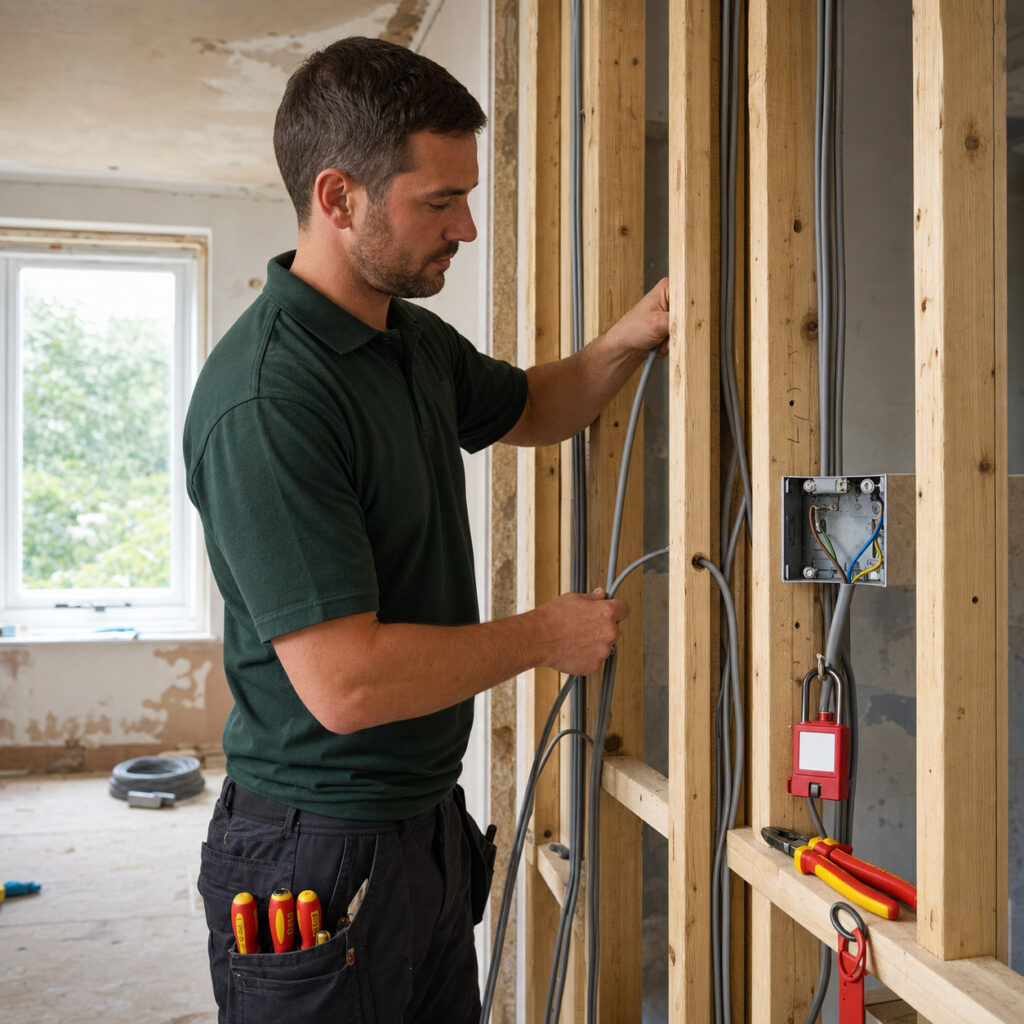
This assessment is not about replacing equipment automatically. It is about identifying the limits of what is already there and deciding which improvements are proportionate. Where the condition or history of the wiring is uncertain, an electrical installation service can help establish a sensible order of work, from urgent safety items through to planned upgrades that can be completed alongside other building work.
Plan Circuits Around How the Home Is Used
Modern homes can place very different demands on individual rooms. A kitchen may need dedicated supplies for cooking appliances, refrigeration and worktop sockets, while a utility area could include a washing machine, tumble dryer and additional water-heating equipment. A home office may require dependable power and data provision, and a workshop or detached garage may need its own carefully designed supply rather than a long extension lead from the house.
Separating circuits appropriately makes faults easier to locate and reduces the chance that one problem will disable half the property. It also allows an installation to be expanded more neatly later. Discussing likely future additions at the planning stage—such as an induction hob, air conditioning, an EV charger or improved outdoor lighting—can prevent expensive rework and help the electrician allow for capacity, access and suitable routes.
Improve Protection at the Consumer Unit
The consumer unit is the central point for circuit protection, so its design should reflect the risks and demands of the property. Modern protective devices can help reduce the consequences of faults, but their suitability depends on the wider installation, including earthing, circuit design and the condition of the cables. A replacement unit should therefore be treated as part of a coordinated upgrade rather than an isolated cosmetic change.
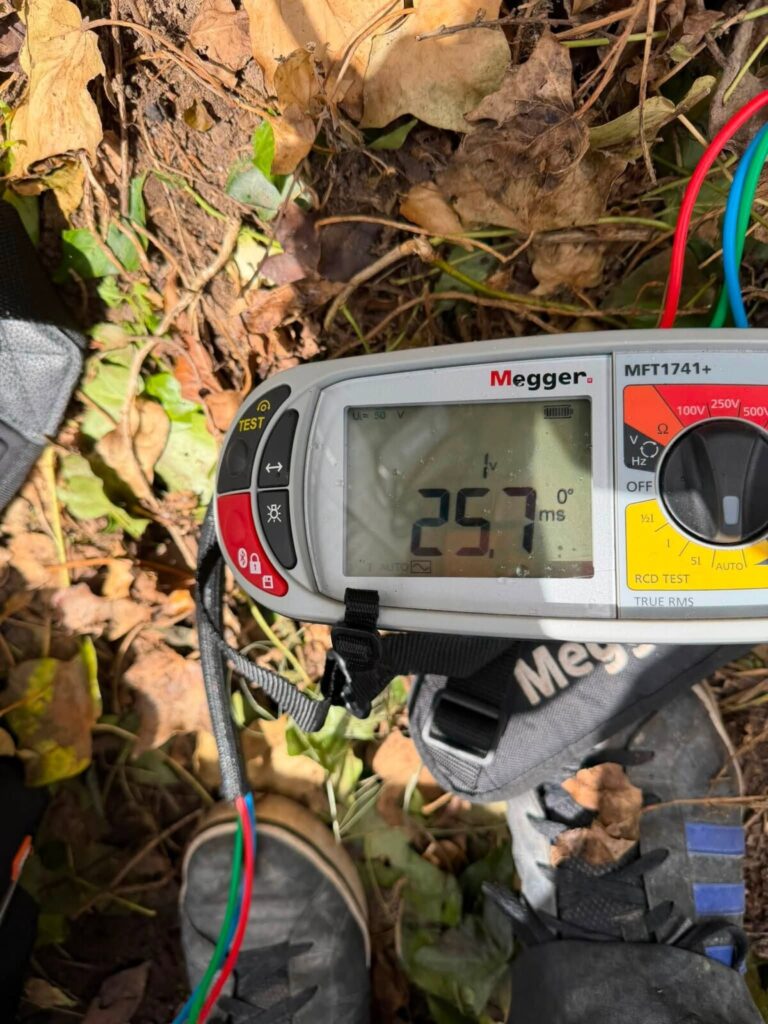
Clear labelling is equally valuable. Each circuit should be identified accurately so that residents or future electricians can isolate the correct supply quickly. Testing after the work provides evidence that the circuits are operating as intended and gives the homeowner useful documentation for maintenance, alterations or a future sale.
Make Lighting Safer and More Useful
Lighting should support the way a room is used, not simply fill it with a single bright fitting. Layered lighting can combine general illumination with task lighting over worktops, desks or utility benches, while switched zones make it easier to control the atmosphere without leaving unnecessary fittings on. In older rooms, improving the position of switches and adding two-way control can make a noticeable difference to safety and convenience.
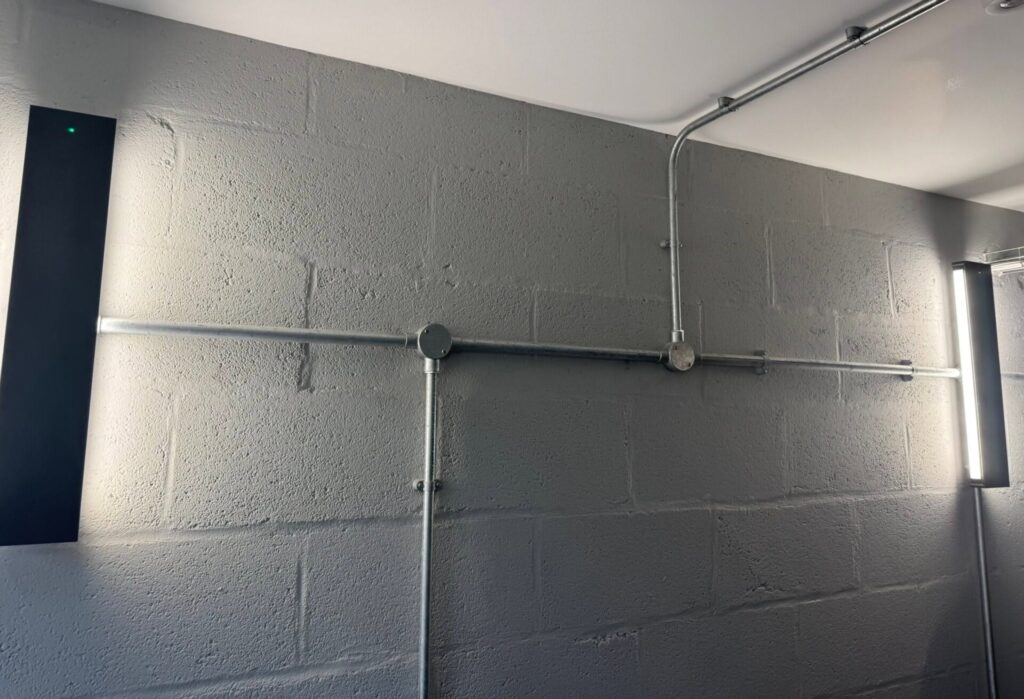
External lighting also deserves careful planning around paths, entrances, parking areas and steps. Sensible placement can improve visibility without creating glare for neighbours or shining directly into windows. Weather-resistant fittings, suitable cable protection and well-positioned controls are important, especially where lighting is exposed to changing conditions. For broader ideas, homeowners can review lighting installation options before deciding on fittings and switching arrangements.
Allow for Outbuildings and Future Technology
Llanwarne properties may include barns, garages, sheds or garden rooms that have gradually become offices, storage areas or hobby spaces. Supplying these buildings needs attention to cable length, voltage drop, mechanical protection, isolation and the type of equipment that will be used. A dedicated circuit can be a better long-term solution than extending a domestic ring circuit beyond its intended role.
Future technology should be considered in the same way. An EV charger, battery system or electric heating equipment may require a higher load and additional controls. Even if installation is not immediate, identifying a route and checking the available supply can keep later work cleaner. Advice on EV charger installation is particularly useful when driveways, parking positions and the main intake are separated by a long distance.
Keep Documentation and Maintenance in Order
Once work is complete, keep the certificates, test results and circuit information with the household records. A simple note of what was installed, where isolators are located and which circuits serve outbuildings can save time during future repairs. It is also worth recording any planned work that was left for a later phase so that a future electrician can understand the original design decisions.
Small warning signs should not be ignored. Repeated tripping, warm accessories, flickering lights, damaged cables, buzzing from a fitting or a reliance on multiple adaptors can all justify professional attention. Prompt investigation is usually more manageable than waiting for a failure during a renovation or at a particularly busy time of year.