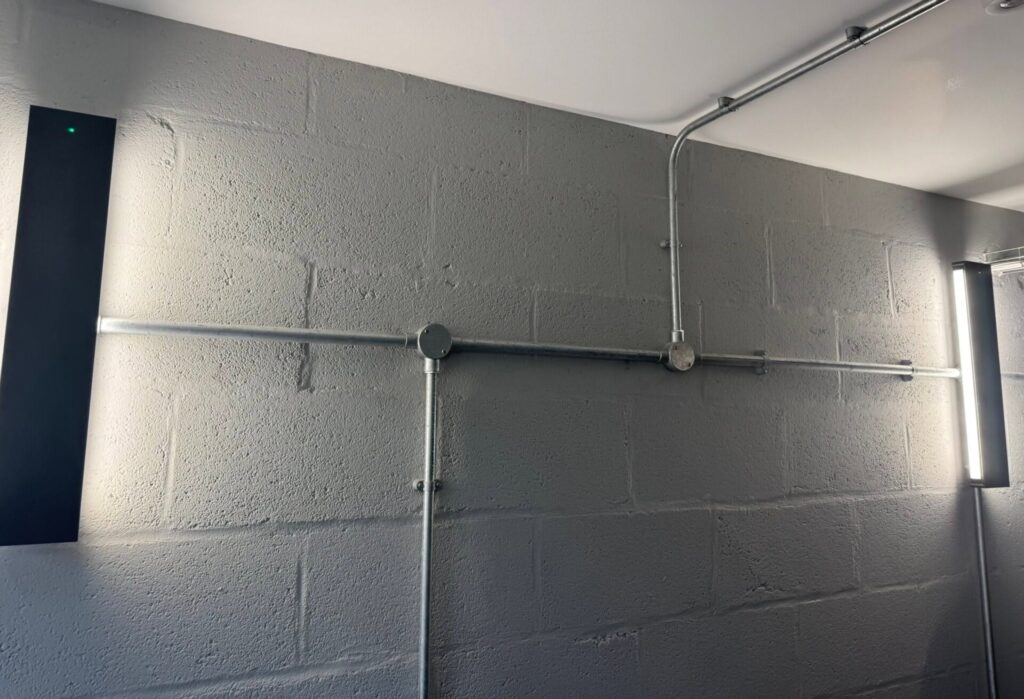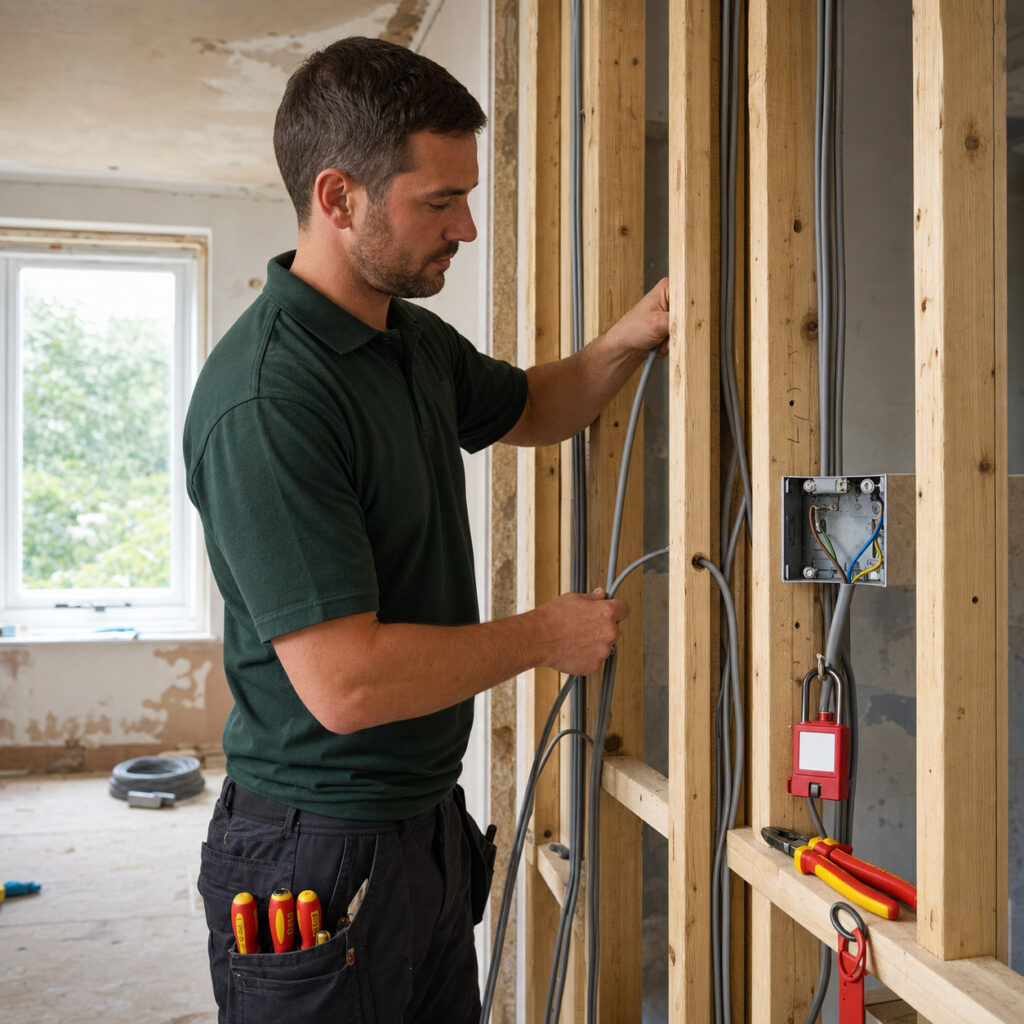



Lighting should make a home feel comfortable, safe and easy to use at every hour of the day. In St Weonards, properties range from older cottages and converted buildings to newer family homes, so a successful lighting project needs to respond to the building rather than rely on a standard fitting schedule. Good planning considers how each room is used, how much daylight it receives and how wiring can be routed neatly with minimal disruption.
A professional lighting installation can improve more than appearance. Carefully positioned light reduces shadows on stairs and worktops, makes entrances easier to navigate and gives different areas their own character. It can also replace tired switches, overloaded circuits or improvised extensions with a more dependable arrangement. For homeowners considering an upgrade, our lighting installation service can help turn a broad idea into a practical plan suited to the property.
Plan the lighting around everyday routines
The most useful starting point is to think through what actually happens in each room. A kitchen may need bright, even task lighting over preparation surfaces, softer light for dining and a convenient switch at every normal entrance. A hallway benefits from consistent illumination between rooms, while a sitting room often works best with several smaller sources rather than one harsh central pendant. Bedrooms need comfortable general light as well as focused illumination for wardrobes, desks or bedside reading.
It is worth considering the route people take through the house after dark. A switch that is technically present but awkwardly placed may lead to lights being left on or corridors being crossed in darkness. Two-way or intermediate switching can be valuable on stairs and through longer passageways. In larger homes, separate circuits and clearly labelled controls make it easier to use only the lighting needed, helping the installation feel intuitive rather than complicated.
Choose fittings that suit the St Weonards property
Older homes often reward restraint. Warm, well-diffused fittings can complement exposed beams, stonework and textured finishes without competing with them. Recessed downlights may be appropriate in some areas, but they should not be added in a uniform grid simply because the ceiling allows it. Pendant positions, wall lights and discreet directional fittings can create a more balanced result while preserving architectural features.
In extensions, utility rooms and modern kitchens, low-energy LED fittings offer a flexible way to achieve strong illumination with modest running costs. Colour temperature matters: a neutral tone can support detailed work, while a warmer tone is often more relaxing in living spaces. Dimming should be selected with compatible lamps and controls from the outset. That avoids flicker, buzzing or a limited dimming range after the installation is complete.
Make safety and wiring part of the design
Visible fittings are only one part of a lighting project. The supporting wiring, switches, junctions and protective devices need to be assessed so the finished system is safe and dependable. An installation may need to accommodate additional circuits, a replacement consumer unit, improved earthing or repairs to older cable routes. These decisions are best made before walls are opened or new ceilings are boarded, because early coordination keeps the work cleaner and helps control cost.
External lighting deserves the same care. Entrances, paths, parking areas and outbuildings need useful coverage without causing glare for neighbours or shining directly into windows. Weather-appropriate fittings, suitable isolation and sensible switching all contribute to a system that remains reliable through wet and cold conditions. Motion sensors can be helpful around less frequently used areas, while dusk-to-dawn controls may suit a regularly used entrance.
Coordinate lighting with other electrical work
Lighting improvements often reveal related opportunities. If floors or ceilings are already being disturbed, it may be sensible to plan socket positions, data points, extractor supplies or future appliance connections at the same time. Combining compatible work can reduce repeated visits and avoid finishing one area only to reopen it later. It also gives the electrician a clearer view of circuit loading and the relationship between new and existing equipment.
For homes undergoing wider changes, an electrical installation assessment can help identify priorities before the work begins. This is particularly useful where a property has been extended, where rooms have changed use or where previous alterations are not fully documented. The aim is not to add unnecessary complexity, but to make sure the lighting design works safely with the rest of the electrical system.
Prepare for a tidy, long-lasting result
Before installation, make a simple room-by-room list of fittings, switch positions and control preferences. Mark furniture that must remain, note any features that should be highlighted and identify areas where access may be difficult. Photographs of existing switches and ceiling points can help clarify the starting position. A clear brief makes it easier to compare options and reduces late changes once materials have been ordered.
During the work, good housekeeping matters as much as technical quality. Cable routes should be planned carefully, back boxes should be secure and fittings should be aligned with the room rather than installed by guesswork. Once testing is complete, the homeowner should receive clear information about controls and any relevant documentation. If you are arranging a broader project, you can contact RP Electrical Installation to discuss the property, the preferred timescale and the most sensible next step.
For local homes in St Weonards, thoughtful lighting can improve comfort, safety and atmosphere without overpowering the character of the building. A measured design, compatible equipment and careful installation provide a stronger result than choosing fittings in isolation. Planning the work around real routines also means the finished system remains useful long after the initial visual impact has faded.