


Electrical work in a Weston under Penyard home deserves careful planning, whether the property is a traditional cottage, a recently improved family house or an outbuilding being brought into regular use. A dependable installation should make everyday life easier while also giving future appliances, lighting and heating systems enough capacity to work safely. The best results come from considering the whole property rather than treating each socket, light or replacement appliance as an isolated job.
Local homes can present a mixture of older wiring, later alterations and modern demands. A kitchen upgrade, home office, electric vehicle or garden room may all change how the electrical system is used. This guide explains the practical points homeowners should discuss with a qualified electrician before work begins, helping the project remain clear, proportionate and suited to the building.
Start with a clear electrical plan
A useful first step is to list how each room is used now and how it may be used in the next few years. Kitchens often need dedicated supplies for ovens, induction hobs, dishwashers and refrigeration, while a home office may need several well-positioned sockets and reliable data equipment. In bedrooms and living spaces, the right combination of sockets, switches and lighting points can remove the need for trailing extensions and reduce clutter.
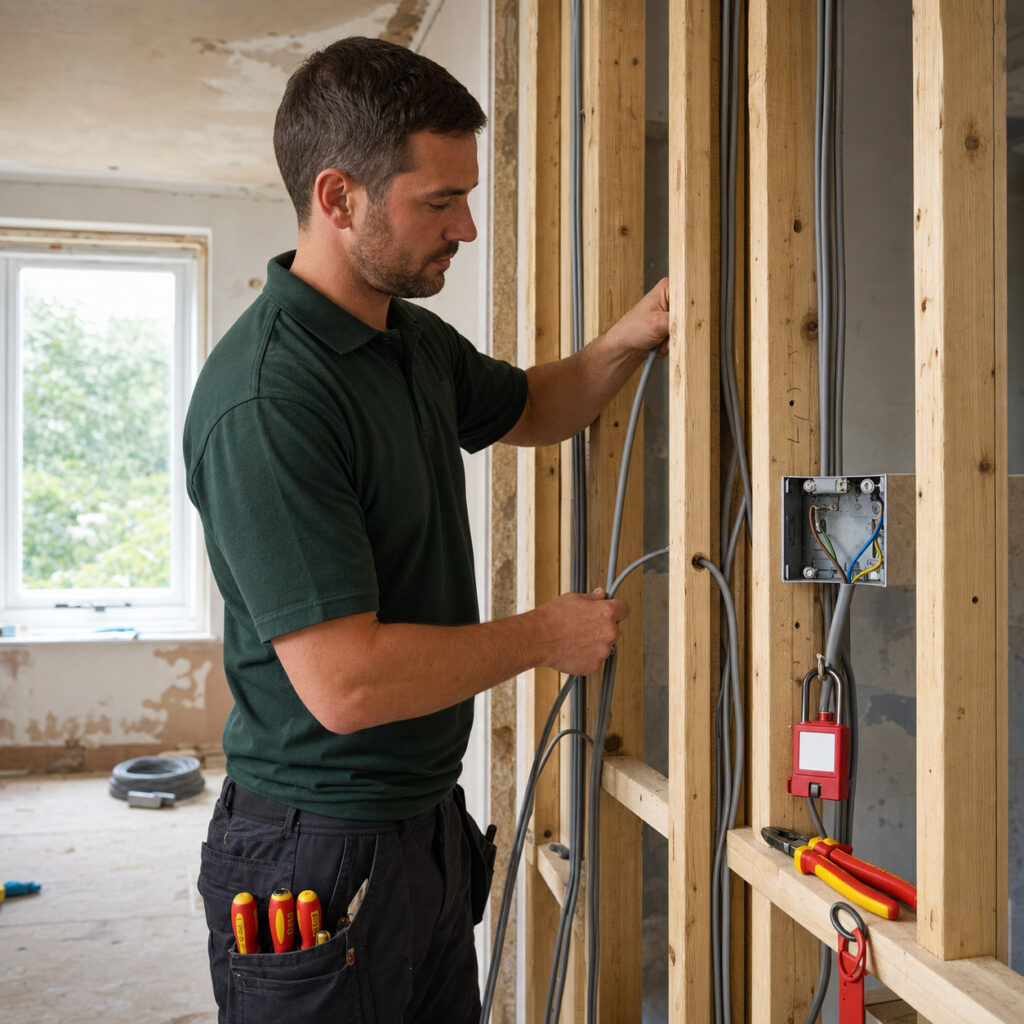
It is also worth recording any symptoms that have appeared over time. Flickering lights, warm accessories, repeated breaker trips, buzzing from a fitting or discoloured sockets should be mentioned before new work is specified. These signs can point to a local fault or to a wider issue that needs investigation. If the property is being renovated, an electrician can coordinate the installation with the building work so that cable routes, access and finished surfaces are considered together. Homeowners planning broader improvements may also benefit from reading about electrical installation planning for older homes.
Check the condition of the existing system
New circuits and accessories should be compatible with the condition of the existing installation. In an older Weston under Penyard property, the visible fittings may have been replaced while concealed cables, earthing arrangements or protective devices remain from an earlier period. That does not automatically mean a full rewire is needed, but it does make an assessment important before adding significant loads.
A qualified electrician can review the consumer unit, protective devices, bonding, cable condition and the way circuits are divided. Where there has been an extension or a converted outbuilding, the records may not fully describe what is now installed. Testing helps establish a dependable baseline and identifies priorities. A consumer unit upgrade may be sensible where the existing board has limited capacity or lacks modern protective features; it can also make future additions easier to organise. Any work should be documented so that the homeowner understands what was changed and which circuits serve each area.
Make lighting work for each room
Good lighting is a combination of comfort, safety and control. A single bright ceiling fitting can leave worktops, stairs or reading areas in shadow, whereas a layered plan can use general illumination alongside task and accent lighting. Kitchens benefit from well-positioned lighting over preparation areas, utility rooms need clear practical visibility, and hallways and stairs should be easy to navigate without glare.
Switch locations matter just as much as fitting choice. Two-way switching can make a hallway or staircase more convenient, while separate controls allow a living room to change from bright daytime use to a calmer evening setting. External lights should be positioned to illuminate paths, entrances and parking areas without shining directly into neighbouring windows. If decorative fittings are being retained, check their condition and rating before reusing them. For more ideas on balancing function and atmosphere, see this guide to practical lighting installation in local homes.
Allow for future demand
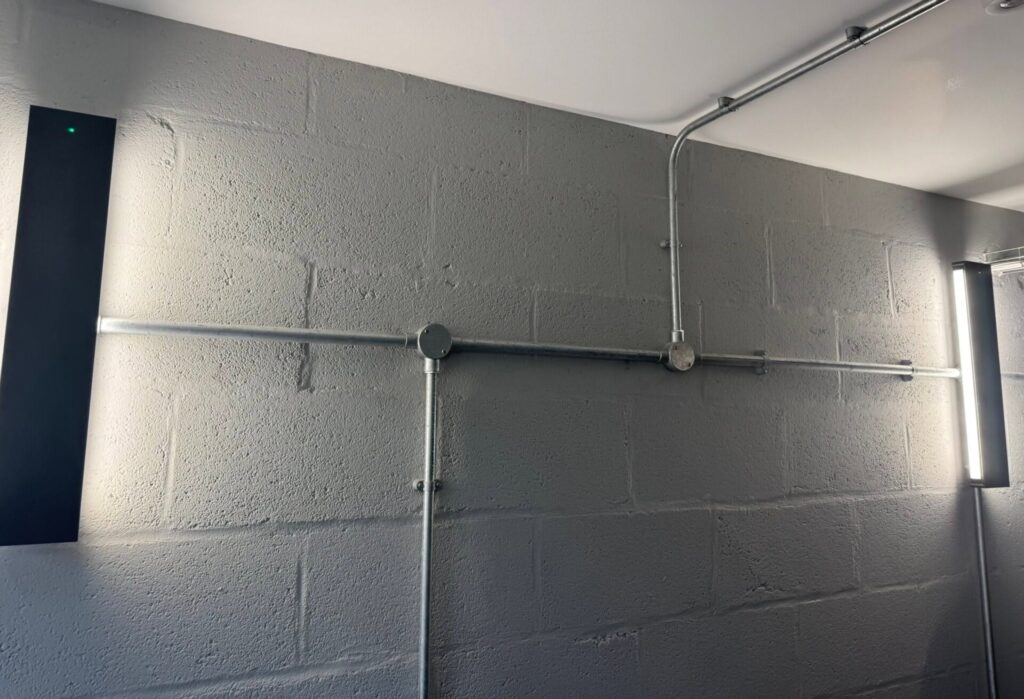
Electrical planning is most valuable when it anticipates the next stage of a property’s use. A homeowner may later add an induction cooker, heat pump, workshop equipment, garden office or EV charger. Installing a sensible number of circuits and spare capacity during an extension can be more efficient than opening finished walls again later. Cable routes and containment should be planned neatly, particularly where an outbuilding or detached garage is involved.
EV charging deserves particular attention because the charger is a sustained high-demand load rather than an occasional plug-in appliance. The supply route, protective equipment, cable length, mounting position and interaction with the home’s existing demand should all be assessed. A charger near the parking space may be convenient, but the cable route still needs to protect the building fabric and avoid trip hazards. Homeowners comparing options can read about planning an EV charger installation at home before deciding where the equipment should go.
Weston under Penyard properties can vary considerably, so there is no single specification that suits every address. A room-by-room discussion, an inspection of the existing installation and a written outline of the proposed work give homeowners a much clearer basis for decisions. With thoughtful planning, electrical improvements can support safer routines, better lighting and future technology while keeping the finished result tidy and easy to maintain.