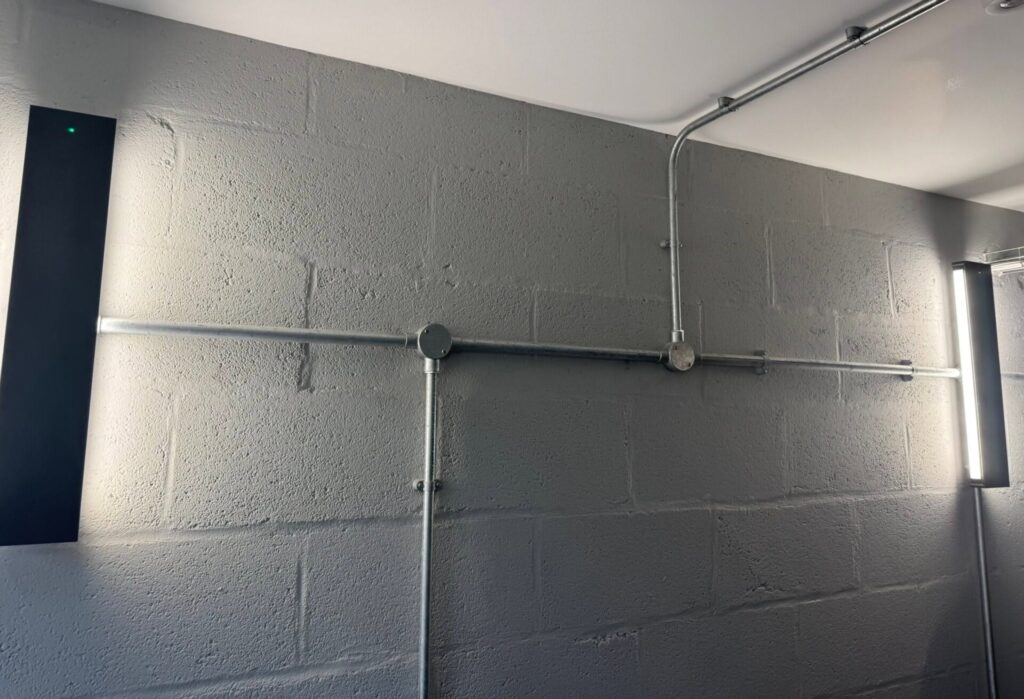



Lighting has a major influence on how a Kilcot home feels, functions and performs from day to day. A well-planned installation can make a kitchen easier to work in, give a hallway a calmer arrival point and help outdoor areas feel safer after dark. It also provides an opportunity to review the condition of existing wiring, switches and fittings before small inconveniences become larger electrical problems.
Good lighting is not simply a matter of choosing the brightest fitting available. The best result comes from considering the room’s purpose, the way people move through it and the character of the property. Whether you are refurbishing one room, extending a cottage or replacing tired fittings throughout the house, a careful plan helps achieve an attractive finish without unnecessary disruption.
Start with how each room is used
Every room benefits from a different balance of ambient, task and accent lighting. In a Kilcot kitchen, ceiling lighting may provide general coverage, while focused illumination beneath cabinets helps with preparation surfaces and reduces shadows. Dining areas often work better with a warmer pendant or dimmable fitting that can be adjusted from practical brightness during a meal to a softer level when the room becomes part of the living space.
Bedrooms and sitting rooms usually need flexibility. A central light can provide useful general illumination, but wall lights, reading lamps and carefully positioned sockets allow the room to work comfortably at different times of day. In corridors and stairways, the priority is an even spread of light with switches placed where someone naturally enters and leaves. This is particularly important in older homes where previous alterations may have left awkward switch positions or inconsistent circuits.
Bathrooms, utility rooms and entrances need additional thought because moisture, cleaning routines and frequent movement affect the choice and position of equipment. A qualified electrician can advise on suitable fittings, zoning and protection requirements, while also checking that the existing circuit arrangement is appropriate for the proposed changes.
Plan controls, circuits and future flexibility
Lighting plans are easier to live with when controls match the way the household uses the space. Two-way switching is valuable on stairs and in long passageways, while separate controls can prevent one large room from being lit fully when only one part is occupied. Dimmers can add flexibility, provided the chosen lamps and fittings are compatible and the circuit has been designed for reliable operation.
It is also worth thinking about future furniture changes before positions are fixed. A pendant centred over today’s table may look misplaced after a renovation, and a wall light installed without considering shelving can become difficult to use. Marking proposed furniture, doors and working areas on a simple plan helps identify practical positions for switches, fittings and cable routes.
Where several rooms are being updated, the work may reveal unrelated concerns such as loose accessories, overloaded circuits or older connections that deserve attention. A broader electrical installation service can bring those items into one coordinated project, reducing the chance of finished decorating having to be disturbed later.
Make outdoor lighting useful and considerate
Outdoor lighting around a Kilcot property should improve visibility without creating glare for neighbours, passing traffic or people using the garden. Wall lights near doors, low-level path lighting and controlled illumination around steps can all make access easier. Security lighting is most effective when it is aimed carefully and activated only when needed, rather than shining continuously into windows or across a large area.
Garden lighting also needs to account for weather exposure, maintenance and planting growth. Cable routes should be planned to avoid likely digging areas, while fittings must be suitable for their location and installed with appropriate protection. If a patio, driveway or outbuilding is being added later, allowing for spare capacity and sensible isolation points can make future improvements much simpler.
Good exterior design is often restrained. A few well-positioned fittings can define entrances and hazards more effectively than a collection of bright lamps. Timers, sensors and smart controls may be useful, but they should remain straightforward to override and maintain so that the installation continues to work when routines change.
Choose fittings for comfort and efficiency
LED technology offers a wide range of colour temperatures, beam angles and output levels, but specifications still need to be matched to the room. Cooler light can suit a utility area or workshop, while warmer tones are often more comfortable in bedrooms and living spaces. Excessive brightness can cause glare on polished worktops, screens and pale walls, so positioning and diffusion matter as much as the wattage stated on the box.
Fittings should also be selected with cleaning and replacement in mind. Decorative designs can be attractive, but difficult-to-reach shades or unusual lamps may become frustrating over time. In high-use rooms, durable switches and accessible maintenance points are worthwhile investments. A competent installer can explain the differences between fitting types and help balance appearance, performance and long-term practicality.
Use a professional installation process
Professional planning gives the project a clear sequence: confirm the brief, inspect the existing installation, agree fitting and control positions, plan cable routes, complete the work safely and test the finished circuits. This approach is especially helpful in homes where walls, ceilings and floors contain a mixture of original and later wiring. It allows potential constraints to be identified before the first fitting is removed.
Testing and documentation should form part of the finished work, not an afterthought. Switches should operate as intended, fittings should be secure, protective devices should be checked and any changes should be explained clearly to the homeowner. If the wider property needs an inspection before alterations begin, an EICR safety certificate can provide useful information about the condition of the installation and any recommendations.
For homeowners planning connected controls or a larger renovation, it is sensible to discuss future electrical demand at the same time. Lighting, sockets, heating controls and an eventual EV charger installation may all affect how capacity and access are considered. A joined-up conversation now can avoid duplicated work and help the finished Kilcot home remain adaptable.
Local advice for Kilcot homes
Properties around Kilcot can vary considerably, from updated modern interiors to older homes with previous extensions and several generations of electrical work. That variety makes an initial conversation and on-site assessment valuable. The right solution will depend on the building, the condition of the existing wiring, the intended use of each room and the homeowner’s preferred look.
A practical lighting installation should leave the property brighter where it needs to be, calmer where it should be and easier to use throughout the day. By combining thoughtful room planning, suitable fittings, sensible controls and proper testing, Kilcot homeowners can achieve improvements that look good immediately and continue to serve the household for years.