


Homes in Garway often combine older construction, extensions, outbuildings and modern appliances in one electrical system. That mix can work well for years, but it also means an installation should be considered as a whole rather than as a series of isolated sockets or light fittings. A careful assessment can identify overloaded circuits, dated accessories, poor cable routes and opportunities to make everyday use safer and more convenient.
Start with a clear picture of the existing installation
A useful electrical project begins with a conversation about how the property is used. A family kitchen, a home office, a workshop and a detached garage each create different demands. In a Garway property, the electrician may also need to understand previous alterations, the position of the consumer unit and whether power has been extended to external buildings. These details help establish where the installation is performing well and where further investigation is worthwhile.
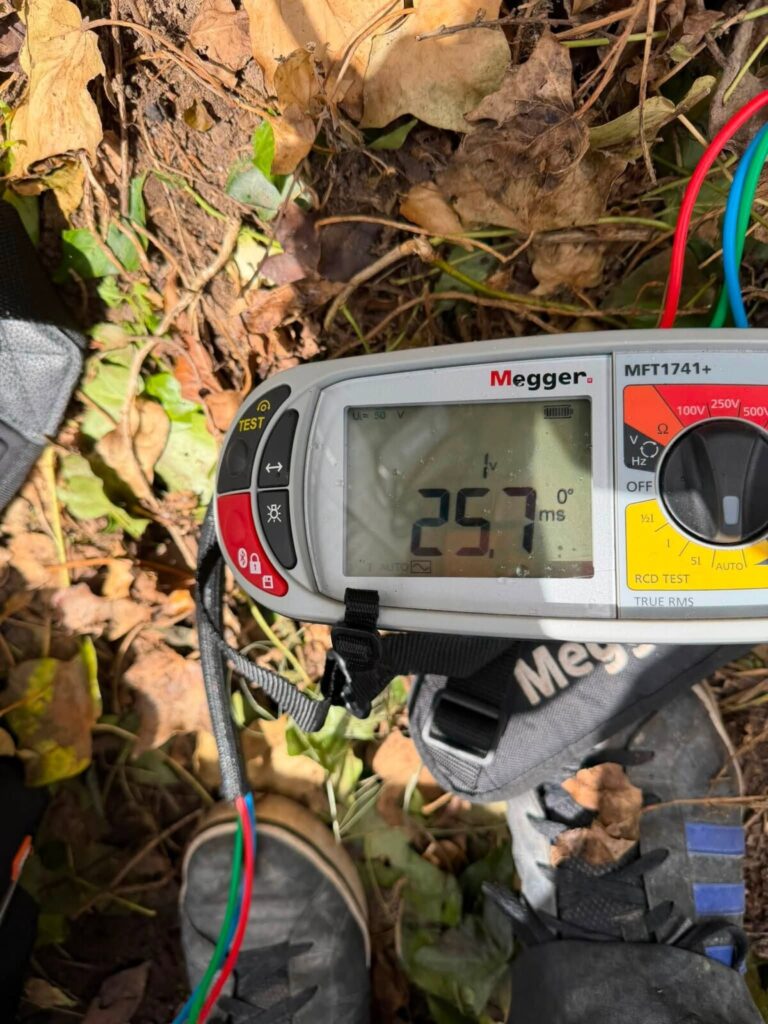
Visual checks can reveal cracked accessories, loose faceplates, heat discolouration, exposed cables or signs of moisture around outdoor equipment. Testing then adds information that cannot be gained from appearance alone, such as continuity, insulation resistance, polarity and the operation of protective devices. The outcome is a practical plan based on evidence, with urgent safety work separated from improvements that can be scheduled alongside decorating or building work.
Plan circuits around the way your home works
Electrical installation is most effective when circuits reflect actual patterns of use. Kitchen appliances may need dedicated supplies, while a home office benefits from sufficient sockets and sensible cable management rather than a chain of extension leads. A utility room, garden office or workshop may also need its own provision so that a fault or heavy load in one area does not unnecessarily disrupt the rest of the house.
When new circuits are introduced, the route matters as much as the destination. Cables should be protected appropriately, accessories should remain accessible for maintenance and the final arrangement should be documented. Where an extension or renovation is planned, coordinating electrical work early helps avoid unnecessary chasing, duplicated labour and awkwardly positioned switches. This is where a broader electrical installation service can bring value: it connects individual tasks into a coherent, maintainable system.
Improve safety and protection at the consumer unit
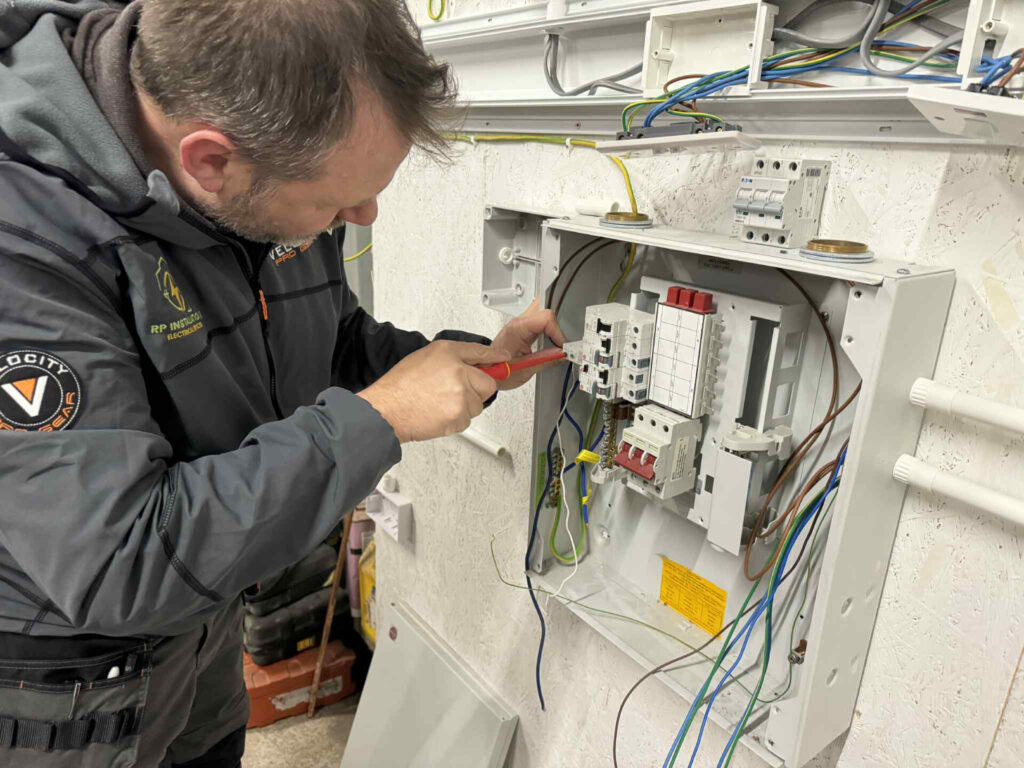
The consumer unit is the control point for the property, so its condition deserves particular attention during an installation project. Modern protective devices can reduce the consequences of faults, but the right arrangement depends on the existing circuits, earthing and the characteristics of the equipment being supplied. A replacement should therefore follow inspection and testing, not be treated as a cosmetic upgrade.
Residual current protection, surge protection and circuit separation may all be relevant depending on the building and its equipment. Outdoor supplies and circuits serving garages or garden buildings require especially careful consideration because they can be exposed to damp, mechanical damage and changing loads. Testing after the work is complete provides confidence that the protective measures operate as intended and that the installation has been left in a verifiable condition.
Make room for energy changes and future equipment
Many homeowners are gradually adding induction hobs, heat pumps, battery storage, electric vehicles or improved home-working equipment. Even when none of these is being installed today, it is sensible to discuss future demand before finalising a new consumer unit or rewiring plan. A little foresight can leave suitable capacity, accessible routes and a logical location for later equipment.
An EV charger is a good example. Its position, cable route, isolation, earthing arrangement and impact on the available supply should be considered at the planning stage. If charging is part of your near-term plans, review the dedicated EV charger installation guidance before committing to driveway layouts or external finishes. The aim is not to over-specify the home, but to avoid making future improvements harder or more expensive than they need to be.
Use lighting to support comfort and security
Good lighting design is more than adding brighter lamps. It considers how people move through the property, where shadows fall and which areas need task, ambient or security lighting. In kitchens and utility spaces, well-positioned task lighting can make work easier. In halls and stairways, consistent switching and comfortable levels improve everyday usability. Outside, carefully aimed lighting can help with entrances, paths and parking without creating glare for neighbours.
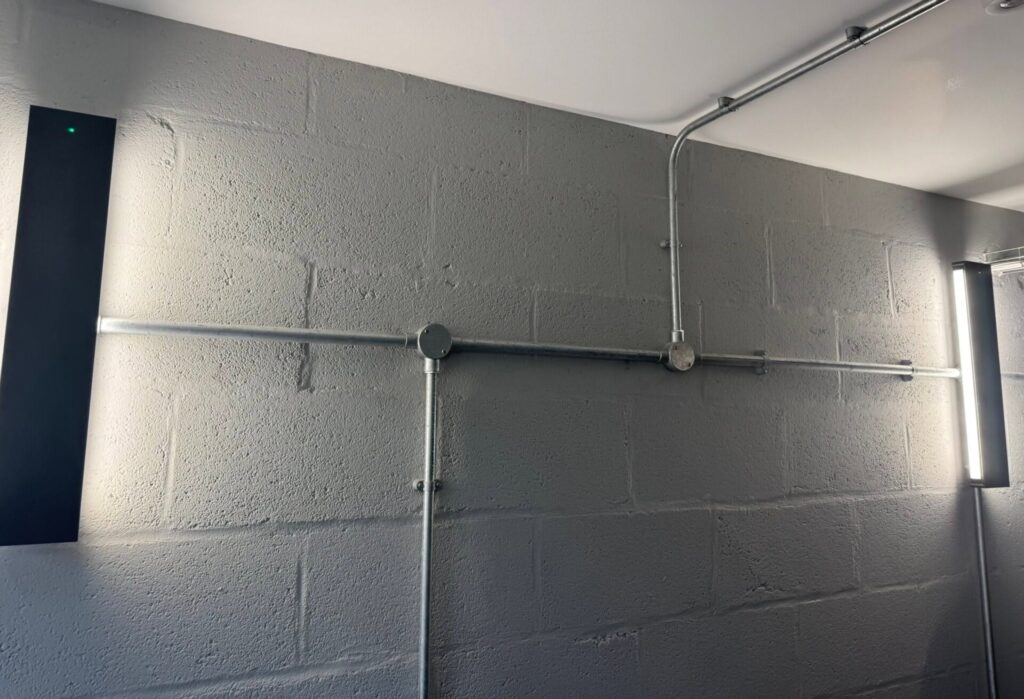
Lighting upgrades are also an opportunity to review switches, dimming compatibility and the condition of existing wiring. LED fittings can be efficient, but they still need suitable drivers, connections and control equipment. A focused lighting installation service can help match fittings and controls to the room rather than choosing products in isolation.
Choose a measured installation process
Before work starts, ask for the scope to be explained in plain language: which circuits are affected, what access is needed, how finishes will be protected and what testing or certification will follow. A staged approach is often helpful in occupied homes, allowing essential safety improvements to be completed first and convenience upgrades to follow in a sensible order.
Once the work is finished, keep the certificates, schedules and product information with the property records. Clear documentation helps with future maintenance, renovations and conversations with other contractors. For Garway homeowners, the best result is an installation that feels uneventful in daily life: dependable power, safe protection, useful lighting and enough flexibility to support the home as it changes.