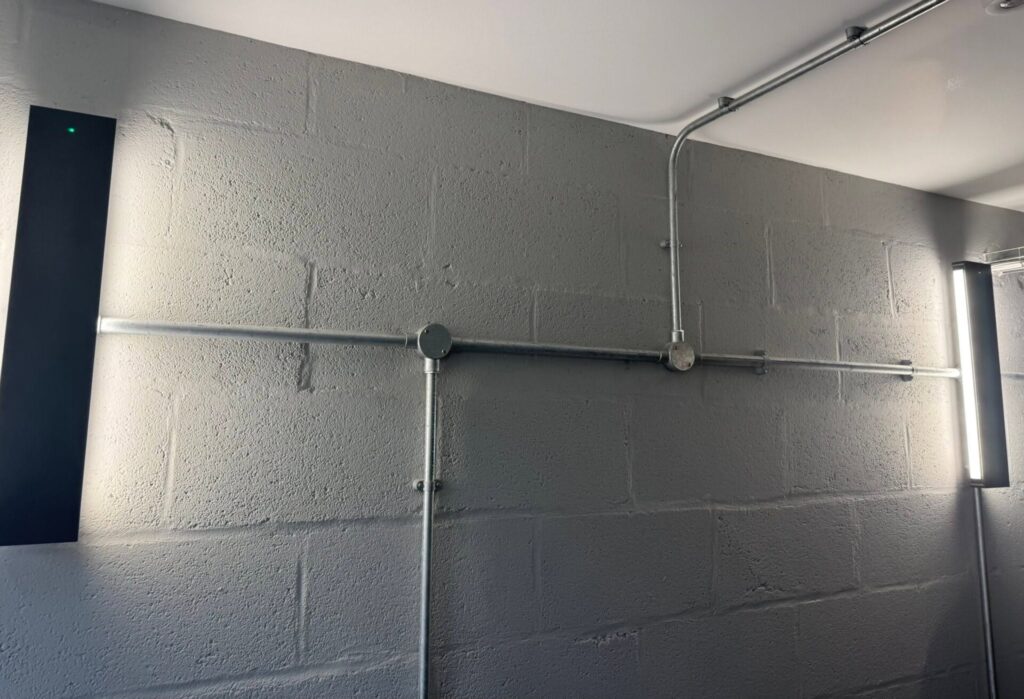



Good lighting can change how a home feels, functions and performs every day. In Sellack properties, a lighting installation often needs to work across older rooms, extensions, converted spaces and outdoor areas, so careful planning matters more than simply choosing attractive fittings. A considered design can make circulation safer, improve task visibility and add warmth without creating glare or unnecessary energy use.
Whether you are refreshing a single room or coordinating lighting as part of wider electrical installation work, it helps to think about how each space is used at different times. The right solution balances practical illumination with the character of the property, while leaving enough flexibility for future changes.
Start with how each room is used
The most useful first step is to map activities rather than fittings. A kitchen may need bright, even light over worktops, softer illumination for dining and a discreet route through the room at night. A home office benefits from clear light positioned to reduce screen reflections, while a bedroom usually needs a calmer arrangement with convenient switching beside the bed. Hallways, stairs and entrances should be planned around safe movement, especially where shadows or changes in floor level could be difficult to see.
Consider daylight as part of the design. A south-facing room may need glare control and layered lighting for evenings, whereas a darker north-facing room can benefit from a brighter ceiling source supported by wall or cabinet lighting. This room-by-room approach also prevents the common mistake of putting every fitting on one switch. Separating ambient, task and accent lighting gives householders better control and avoids running bright lights when a small pool of illumination would be enough.
Choose fittings that suit the property
Fittings should be selected for their performance as well as their appearance. Recessed downlights can give a clean finish, but their spacing, beam angle and position need to be coordinated with joists, insulation, cupboards and furniture. Pendant lights can provide a strong focal point over a table or island, although their height must allow comfortable sight lines and avoid creating glare. Wall lights are useful where ceiling space is limited and can bring warmth to corridors, stairwells and living areas.
Colour temperature is another important choice. Warmer white light is often comfortable in living rooms and bedrooms, while a more neutral white can help kitchens, utility areas and workspaces feel crisp without becoming harsh. Dimmable LED fittings can support several moods and reduce wasted energy, but the lamps, drivers, dimmer controls and wiring all need to be compatible. A professional installer can also advise on access for maintenance, suitable IP ratings in bathrooms or outdoors, and the best way to keep cabling discreet.
Plan controls, circuits and future flexibility
Good controls make a lighting scheme feel natural. Two-way switching is valuable on stairs and in long hallways, while three-point control can be useful in larger open-plan areas. Separate circuits for different layers of light allow a bright working setting, a relaxed evening setting and a low-level night-time route without relying on several plug-in lamps. For larger projects, scene controls or carefully selected smart switches may offer convenience, but they should still be simple enough for everyone in the household to use.
Future planning is worthwhile even when the immediate brief is modest. If an extension, garden office or electric vehicle charging point may be added later, discuss spare capacity, cable routes and consumer-unit arrangements early. A broader electrical testing and inspection review can identify ageing accessories, overloaded circuits or areas that need attention before new lighting is connected. This avoids having to disturb finished walls or ceilings when the next phase begins.
Make outdoor lighting safe and useful
Outdoor lighting around a Sellack home should improve visibility without overwhelming the surrounding setting. Entrances, paths, steps, driveways and parking areas each need a different level of illumination. Shielded fittings and carefully aimed beams help reduce glare into windows and limit spill into neighbouring spaces. Warm, low-level light can make a garden feel welcoming, while discreet step or marker lights can provide practical guidance after dark.
External equipment must be suitable for exposure to rain, dust and seasonal weather, with appropriate protection and secure mounting. Motion sensors can be useful for arrival areas and side passages, but their position and sensitivity should be set so that passing wildlife or movement beyond the property does not trigger them constantly. Timers, photocells or smart controls can keep lighting dependable while avoiding unnecessary overnight use. For advice on integrating indoor and outdoor circuits, professional lighting installation support can help turn an initial idea into a safe, maintainable plan.
For homes in and around Sellack, the most successful lighting projects are the ones that feel effortless once complete. By considering room use, daylight, fitting performance, switching, future capacity and outdoor safety together, you can create a scheme that supports everyday life and complements the property. A site discussion before work begins is the best way to confirm the details, identify practical constraints and achieve a finish that is both attractive and dependable.