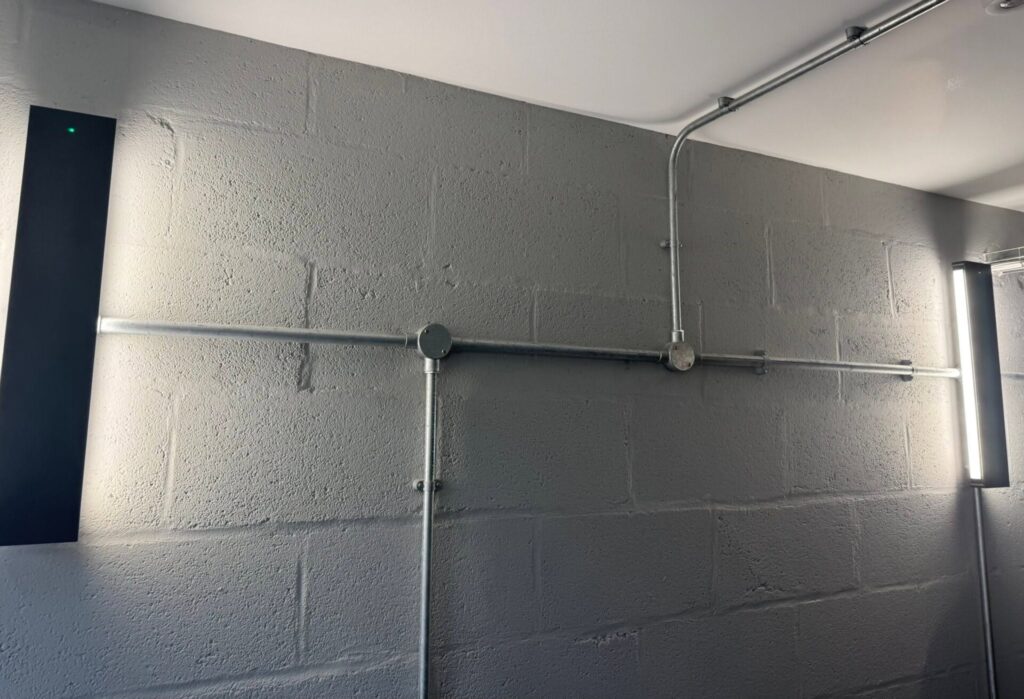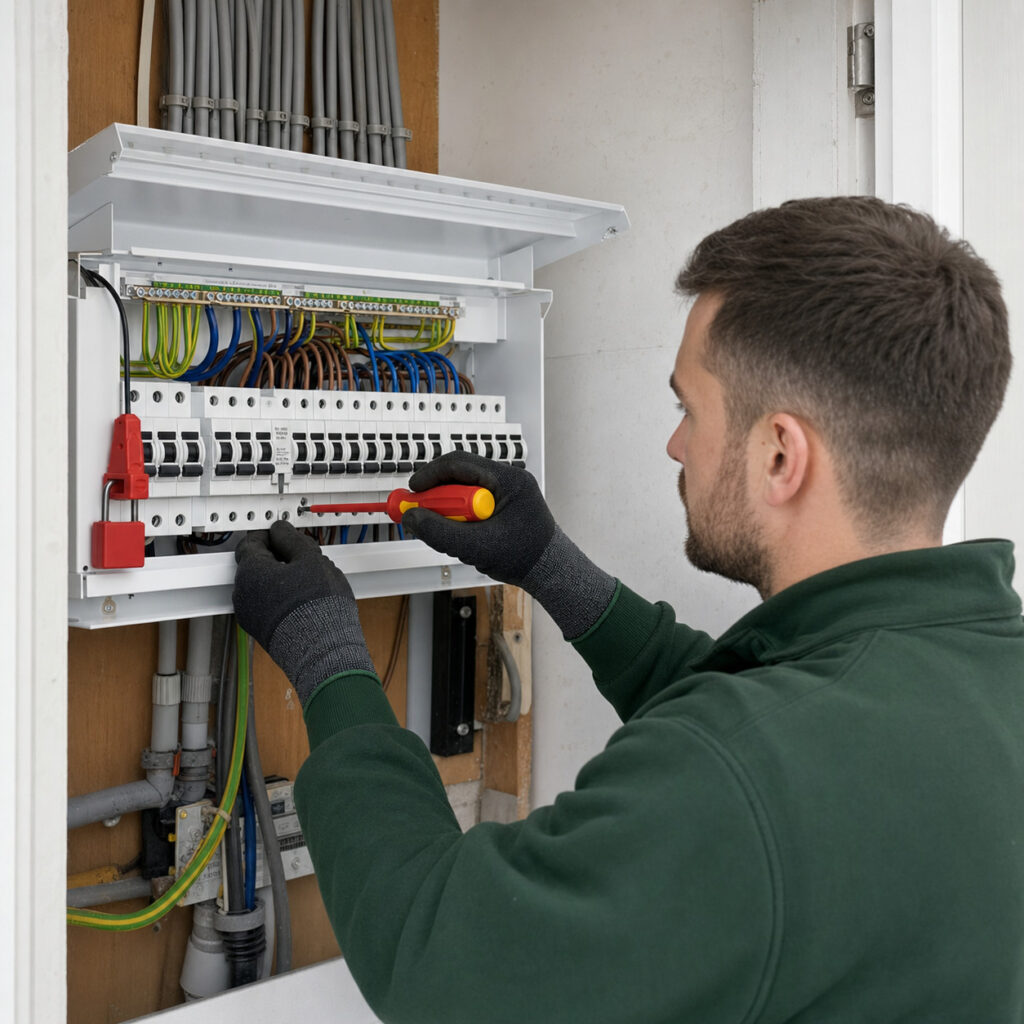



Good lighting can change how a home in Gorsley feels and functions, but a successful installation involves more than choosing attractive fittings. The position of the property, the age of the wiring, the way each room is used and the amount of natural light all affect the final result. A carefully planned lighting installation can make everyday tasks easier, improve safety on stairs and paths, and give living spaces a warmer, more flexible atmosphere.
For homeowners considering improvements, it is useful to treat lighting as part of the wider electrical installation rather than as an isolated decoration project. New circuits, switches, dimmers and exterior fittings need to work safely together. Planning the work properly at the start also helps avoid uneven illumination, awkward switch positions and the need to reopen finished walls or ceilings later.
Planning a Lighting Installation Around the Home
Begin by listing what each room needs to do. A kitchen may require bright, shadow-free task lighting over worktops, softer illumination around a dining area and practical controls near entrances. In a sitting room, several lower-level sources can create a more comfortable evening setting than one strong central pendant. Bedrooms often benefit from independently switched bedside lighting, while hallways and landings need consistent coverage without excessive glare.
It is also worth considering how daylight moves through the property. A room that feels bright in the afternoon may need stronger lighting in the morning, and dark corners beside chimney breasts, cupboards or stairwells can become more noticeable once the seasons change. Layering ceiling, wall, task and accent lighting gives residents more control than relying on a single fitting. Dimmers can be particularly useful, provided the lamps and controls are compatible and installed correctly.
Switch locations should be agreed before work begins. Two-way switching is helpful on stairs and in longer hallways, while a separate switch for an extractor, under-cabinet strip or outside light can prevent unnecessary energy use. If you are already planning an broader electrical installation, it may be efficient to coordinate lighting circuits with other planned improvements so that access and testing are handled together.
Choosing Efficient and Suitable Fittings
LED fittings are now a practical option for most domestic applications because they can provide good light output with comparatively low energy use. The important point is to select the right colour temperature and beam spread for the space. Warm white light is often comfortable in living rooms and bedrooms, while a more neutral white can help kitchens, utility rooms and work areas feel clearer. Colour rendering also matters where accurate appearance is important, such as near mirrors, dressing areas and kitchen worktops.
Fittings should suit the conditions in which they will operate. Bathrooms, utility areas and covered outdoor locations may require products with an appropriate ingress protection rating. External lights should be positioned so that they illuminate entrances, steps and paths without shining directly into neighbouring windows. Good-quality fittings, suitable drivers and neat cable routes usually produce a more reliable result than choosing solely on the lowest purchase price.
Controls can add both convenience and efficiency. Occupancy or dusk-to-dawn sensors are useful for selected outdoor and security lighting, while timers can prevent lights being left on overnight. These features should be set up with the household’s routines in mind. Over-sensitive sensors can become irritating, and poorly positioned lights can create glare or shadows that reduce visibility rather than improving it.
Safety Checks Before and During the Work
Before installing new lights, the condition of the existing wiring should be considered. Older accessories, damaged insulation, overloaded circuits or uncertain connections can affect the safety of a new installation. Where the proposed work exposes wider concerns, an electrician may recommend testing or additional remedial work. This is especially relevant in older Gorsley properties that have seen several alterations over the years without a clear record of what was changed.
Every circuit should be protected and tested as part of the completed work. Connections need to be enclosed correctly, fittings must be securely supported and cables should be protected from foreseeable damage. Outdoor installations need particular care around cable entry points, weatherproof accessories and the transition between internal and external areas. Lighting work should never be treated as a simple swap if the circuit, mounting surface or protective devices are not suitable.
When several electrical improvements are being considered at once, combining them into a clear plan can reduce disruption. For example, lighting upgrades may be coordinated with a home electrical installation review, while damaged or unreliable circuits can be investigated before new fittings are connected. Keeping a record of the circuits, controls and products used will also make future maintenance easier.
Improving Outdoor Lighting in Gorsley
Outdoor lighting should support safe movement first. A well-positioned light at the front door, along a change in level or beside a parking area can make a noticeable difference on wet and dark evenings. Garden paths usually benefit from a series of modest, evenly spaced fittings rather than one bright light at the end. This reduces harsh contrast and helps the eye judge distances more comfortably.
Security lighting needs a balanced approach. A sensor light aimed across an entrance can provide useful awareness, but a fitting aimed directly towards a road or neighbouring property may cause glare. Shielded fittings, appropriate mounting heights and sensible time settings help keep the installation considerate as well as effective. Covered porches and sheltered walls can also extend fitting life, although the accessories still need to be suitable for their location.
For homes where lighting is being refreshed room by room, it is sensible to keep the appearance and control layout consistent. Matching finishes, repeatable switch positions and a simple circuit arrangement create a more coherent result. If you are also considering an indoor and outdoor lighting plan, discussing the whole property at the outset can help prioritise essential safety work while leaving room for later decorative additions.
A lighting installation should finish with functional checks, testing and clear guidance on the controls. With thoughtful design and properly completed electrical work, Gorsley homeowners can gain brighter task areas, calmer living spaces and safer routes around the property without making the home feel over-lit. The best result is one that works naturally every day and remains straightforward to maintain.