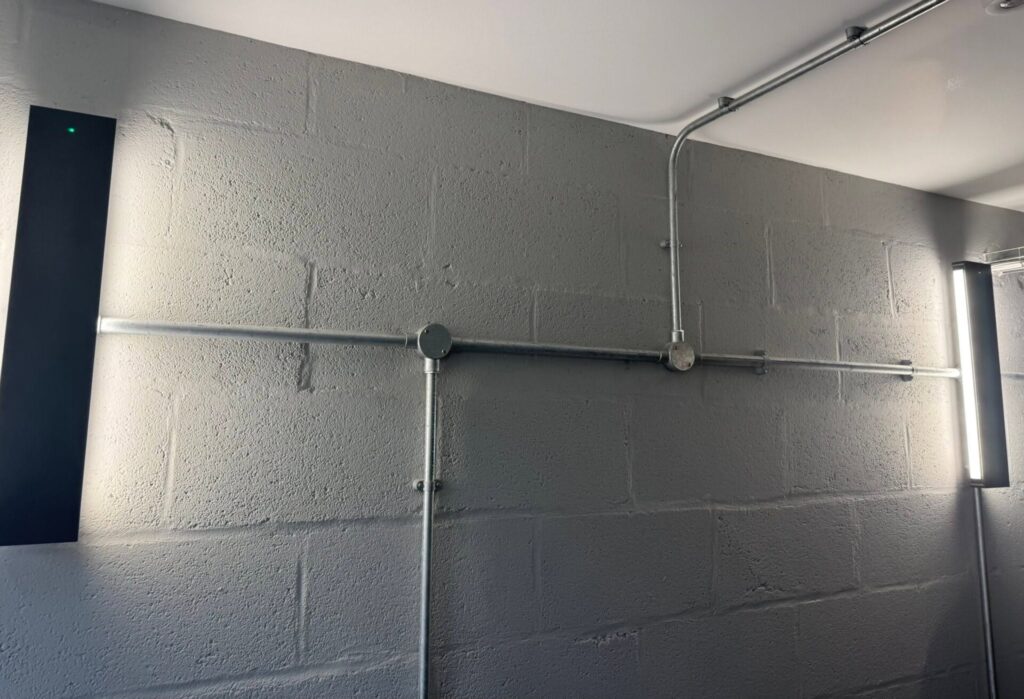



Good lighting changes how a home feels, functions and performs throughout the day. In Aston Ingham, where properties can range from older cottages and converted buildings to newer family homes, a successful lighting installation needs to suit the building rather than simply add more fittings. The right design can make rooms easier to use, improve safety on paths and stairs, and give living spaces a warmer, more considered atmosphere.
Planning is especially valuable when lighting is being renewed as part of wider electrical installation work. It allows cable routes, switch positions, protective measures and future requirements to be considered together, reducing the risk of awkward compromises once plastering or decorating has been completed.
Start with how each room is used
A useful lighting plan begins with the activities that take place in each room. A kitchen may need bright, even illumination across worktops, softer light over a dining area and separate controls for a pendant or feature fitting. In a sitting room, a single central lamp can leave corners gloomy, while a combination of ceiling, wall and low-level lighting gives more flexibility for reading, entertaining or relaxing.
Bedrooms, landings and bathrooms benefit from the same practical approach. Bedside switching can avoid the need to cross a dark room, while a landing light that can be controlled from both ends improves everyday convenience. Bathroom lighting must be selected and positioned with the room’s zones, moisture exposure and cleaning requirements in mind. The aim is not maximum brightness everywhere; it is comfortable, useful light where it is needed.
Outdoor areas deserve attention too. A well-positioned entrance light can make keys and door hardware easier to see, while low-glare lighting along paths and steps helps visitors move safely after dark. External fittings should be appropriate for exposure to rain and dirt, with switches and controls arranged so that residents can use them without unnecessary trips through the house.
Choose fittings, controls and colour carefully
LED fittings are now widely used because they provide efficient light, long service life and a broad choice of shapes and colour temperatures. Warm white light is often comfortable in lounges and bedrooms, whereas a slightly cooler neutral tone may help kitchens, utility rooms and work areas feel clearer. Consistency matters: selecting lamps with compatible colour characteristics prevents one room from appearing noticeably mismatched with the next.
Downlights can create a clean appearance, but spacing and beam angle need thought. Fitting too many can make a ceiling look busy and produce harsh pools of light; fitting too few can leave work surfaces or circulation routes poorly served. In some rooms, wall lights, track fittings or pendants can provide better visual balance while adding character to an older property.
Controls are part of the design, not an afterthought. Two-way switching is useful on stairs and through-routes, dimmers can help a room serve different purposes, and separate circuits prevent a feature light from being tied to every other fitting. Where smart controls are being considered, it is sensible to discuss compatibility, neutral connections, wireless reliability and manual override before choosing equipment.
Allow for the building and the installation process
Older Aston Ingham properties may contain solid walls, unusual ceiling construction, previous alterations or wiring routes that are not obvious from the room below. A survey helps identify where access will be difficult and whether existing cables, junctions and protective devices are suitable for the proposed changes. It also gives the installer an opportunity to explain where surface wiring, carefully planned chases or accessible voids may be the least disruptive solution.
Good preparation keeps the work orderly. Furniture and fragile items should be moved away from work areas, access to the consumer unit should remain clear, and the intended switch and fitting positions should be agreed before drilling begins. If decorating or building work is planned at the same time, coordinating the sequence can reduce patching and make it easier to conceal cables neatly.
Lighting alterations should be carried out with the correct isolation, testing and protective measures. An installer can check circuit capacity, earthing and bonding arrangements where relevant, confirm that fittings are suitable for their locations, and test the completed work before explaining how the controls operate. This is particularly important where new lighting is connected to older circuits or where several rooms are being changed in one project.
Build a lighting plan that lasts
A lighting installation should leave room for future changes. Consider whether a home office, nursery, electric blinds, improved security lighting or additional outdoor use may be needed later. Installing sensible spare capacity and placing switches where furniture is unlikely to block them can make future adaptations simpler. It is also worth keeping a record of circuit arrangements, fitting specifications and control settings for reference.
Energy use is influenced by more than the wattage printed on a lamp. Timers, occupancy sensors and daylight-responsive controls can prevent lights being left on in hallways, garages and external areas, but they should be selected for the way the household actually uses the space. A control that is confusing or too sensitive may be ignored, so convenience and reliability are as important as the potential saving.
For homeowners comparing lighting options with broader lighting installation planning, the best next step is usually a room-by-room discussion with a qualified electrician. That conversation can turn a list of fittings into a coordinated plan covering illumination, appearance, controls, safety and future flexibility. When lighting is designed around the people and property in Aston Ingham, it becomes a lasting improvement rather than a collection of disconnected fixtures.
Thoughtful lighting also works well alongside an EV charger installation or other electrical upgrade, provided the wider supply, cable routes and access requirements are considered early. A joined-up approach helps keep the work practical, tidy and ready for the way the home will be used in years to come.