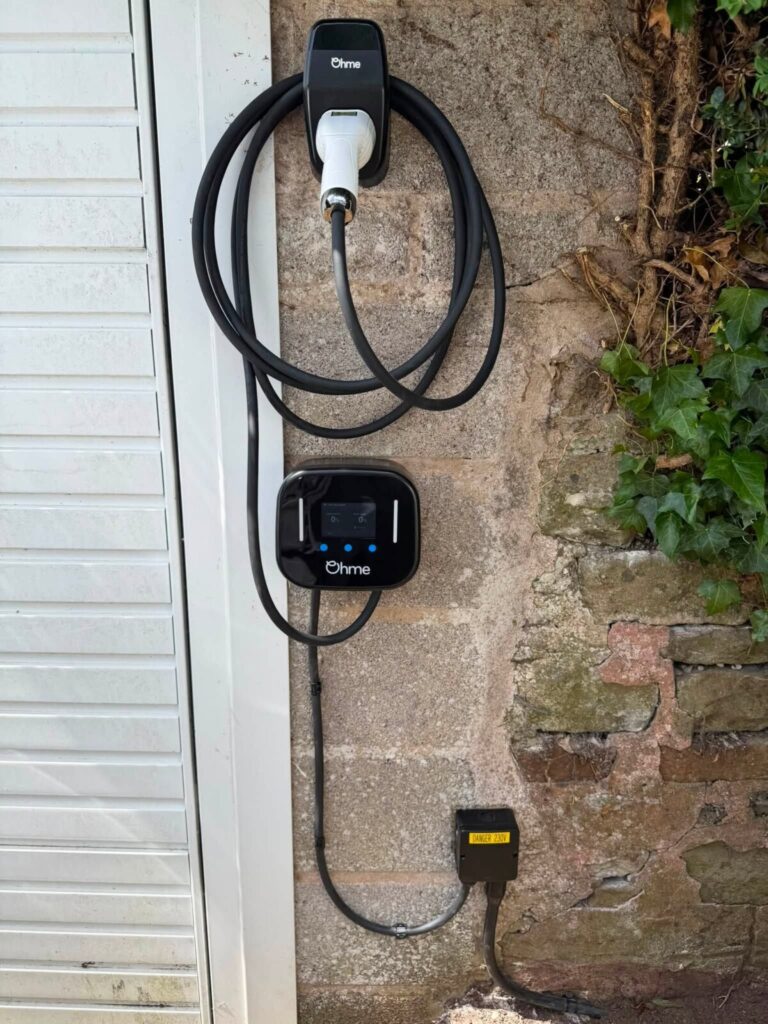



For drivers in Much Marcle, installing an electric vehicle charger at home can make everyday motoring simpler, more predictable and easier to manage. A dedicated home charge point is usually more convenient than relying on public chargers, but the best result comes from treating the installation as an electrical project rather than simply choosing a box for the wall. The property, parking arrangement, existing consumer unit and expected charging routine all influence the right approach.
A useful first step is to consider where the vehicle normally sits overnight and how far the cable must travel from the proposed charger position to the parking space. This helps establish whether a wall-mounted unit is practical, whether cable protection is needed and whether the installation can be kept tidy without creating a trip hazard. A qualified electrician can then assess the supply, recommend suitable equipment and explain any work needed before installation begins.
Assessing the property before choosing a charger
Every home in Much Marcle has its own combination of age, layout and electrical history. Some properties have modern consumer units with spare capacity, while older homes may need improvements before a higher-demand appliance is added. An installer should check the incoming supply, earthing arrangement, consumer unit, protective devices and the route between the electrical equipment and the charge point. This assessment is important because a charger should operate reliably alongside normal household loads.
The parking layout also matters. A driveway close to the house may allow a short, discreet cable route, whereas a detached garage, side passage or outbuilding may require a longer run and additional mechanical protection. The position should allow the connector to be reached comfortably while keeping the unit away from likely impacts, standing water and unnecessary exposure to vehicle movements. Planning these details early can prevent avoidable remedial work and keep the finished installation looking considered.
Where the available electrical capacity is limited, load management may be appropriate. This technology monitors other demand in the property and adjusts charging so that the supply is used responsibly. It can be particularly helpful where the household also has electric heating, an induction hob, a heat pump or other substantial loads. The right solution depends on the site assessment rather than on a one-size-fits-all assumption.
Choosing equipment for everyday use
Charger selection should reflect the vehicle, the driver’s routine and the practical conditions around the home. A higher output unit is not automatically the best choice if the car cannot accept that rate or if the property’s supply would need expensive upgrading. For many households, dependable overnight charging is more valuable than achieving the highest possible speed for occasional use.
It is worth considering cable management, connector storage, weather protection and the visibility of status indicators. A unit that is easy to operate in winter, simple to keep clean and positioned where the cable reaches the charging socket without stretching is likely to be used more consistently. Smart features can also be useful, allowing scheduled charging or monitoring through an app, but they should support a straightforward installation rather than distract from basic electrical safety.
Homeowners planning wider improvements may also want to coordinate the charger with future work. An electrical installation review can identify whether other circuits, outbuildings or external supplies would benefit from being considered at the same time. Coordinating work can reduce disruption and help ensure that the charger is not installed in isolation from the property’s longer-term needs.
Making the cable route safe and discreet
The cable route is one of the most visible parts of an EV charger installation. On brickwork, careful positioning can keep the run neat and reduce unnecessary bends. Where cables pass through a wall or along an exposed external route, they should be protected from abrasion, accidental impact and environmental wear. A route across a shared access area needs particular attention so that it does not obstruct pedestrians or create a hazard when the vehicle is not being charged.
For garages and outbuildings, the installer may need to consider the condition of the existing wiring, the distance from the main building and how the cable enters the structure. Buried routes require appropriate depth, protection and identification, while surface routes should be fixed securely and kept away from areas likely to be damaged. These details are not merely cosmetic: sound installation methods help protect the circuit and make future maintenance easier.
Good lighting around the parking and charging area can improve visibility during winter evenings. If the property needs an additional lighting circuit or better control of an existing fitting, the charger project may be a sensible opportunity to discuss lighting installation alongside the main work. Any related additions should still be designed and tested as part of the electrical system.
Testing, handover and future charging habits
Once the charger is installed, the work should be inspected and tested so that the protective devices, connections and controls are operating as intended. The homeowner should receive clear information about normal use, isolation, fault indicators and what to do if the unit stops responding. Keeping the documentation and test information in a safe place is useful if the property is sold, the charger is replaced or another electrician needs to work on the system later.
Drivers can also improve the life of the equipment by keeping connectors clean and dry, avoiding unnecessary tension on the cable and reporting repeated faults rather than repeatedly resetting the supply. Scheduling charging during suitable periods may help manage household demand, while checking the cable and enclosure occasionally can identify damage before it becomes a safety concern.
For homeowners comparing an EV charger with other electrical improvements, electrical fault finding can help resolve unexplained tripping or inconsistent power before new equipment is added. A planned assessment gives Much Marcle households a clearer route to safe, convenient charging and a finished installation that fits the way the property is actually used.