


Goodrich homes combine historic character, modern family living and a wide range of electrical demands. A carefully planned electrical installation helps owners enjoy reliable power while protecting the fabric of the property. Whether you are renovating a cottage, extending a family home or replacing tired circuits, the most useful approach is to understand how the whole system will work before any cable is installed.
Local properties can present practical challenges that are less common in newer developments. Thick walls, limited loft access, outbuildings and later alterations may all affect cable routes and equipment positions. A qualified electrician can assess those constraints, explain the available options and develop an installation that is safe, maintainable and appropriate for the building. RP Electrical Installation provides electrical installation services for homeowners who want that planning handled carefully from the outset.
Start with a clear survey and electrical plan
A good installation begins with a room-by-room discussion rather than a simple count of sockets. Think about how each space is used now and how that might change. A kitchen may need dedicated supplies for an oven, induction hob, dishwasher, refrigeration and small appliances, while a home office may need several accessible sockets, dependable lighting and provision for networking equipment. Bedrooms, utility rooms and garden buildings can have equally specific requirements.
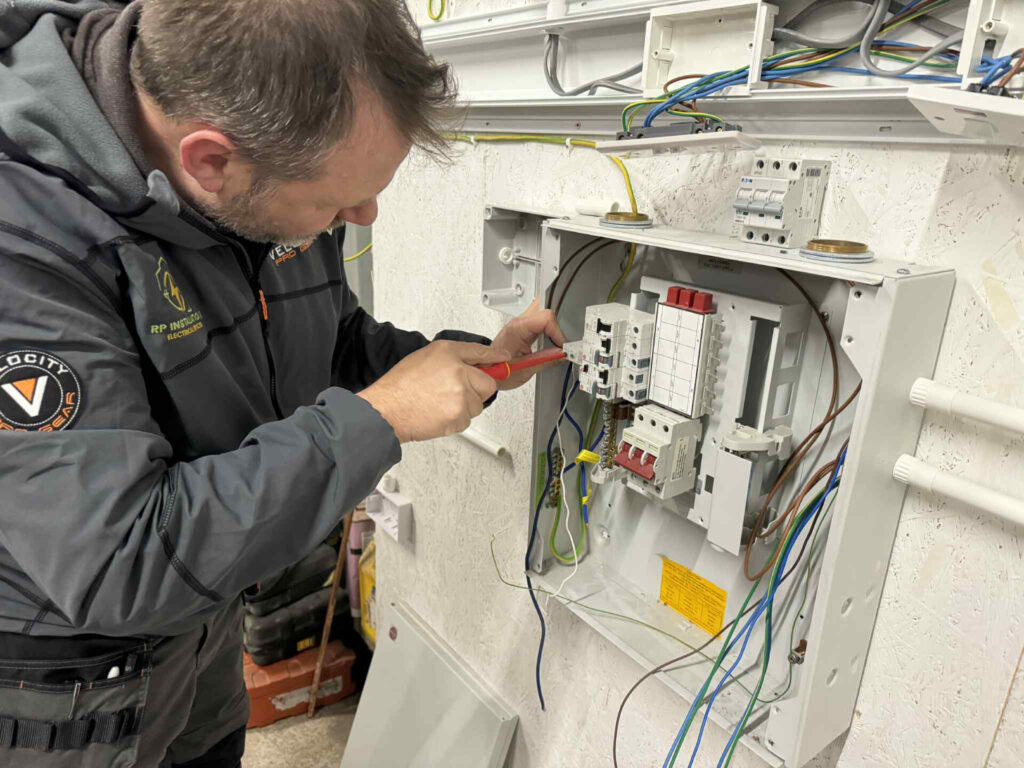
The survey should also consider the existing consumer unit, incoming supply, earthing and bonding, cable condition and any signs of previous work. Older additions may not follow the same standards as the original installation, so separating new work from questionable circuits is often the safest route. Planning these details in advance reduces disruptive changes later and makes it easier to document what has been installed.
Balance convenience with sensible circuit design
Socket positions should follow furniture layouts, likely appliance locations and everyday habits. Installing a few additional outlets during building work is usually more practical than relying on extension leads later. In living rooms, consider floor-level sockets near seating, media equipment and lamps. In bedrooms, provide useful bedside positions on both sides where possible, and include charging access without forcing cables across walkways.
Lighting deserves the same level of thought. Separate switching can make open-plan areas more flexible, while two-way switching is valuable on stairs, hallways and between entrances. External lighting can improve access around paths, parking areas and outbuildings, but fittings and controls need to suit their exposure. A layered plan combining general, task and accent lighting will usually feel more comfortable than one bright central fitting in every room.
Make room for future electrical needs
Homes change over time, and a new installation should leave sensible capacity for those changes. Future plans might include an electric vehicle charger, an induction cooker, a garden office, heat-pump equipment or additional outbuilding supplies. Even if those projects are not happening immediately, identifying likely demand helps avoid an undersized design.
It may be possible to install spare ways in the consumer unit, reserve routes for future cables or position a dedicated supply where later equipment is likely to be installed. This does not mean paying for unnecessary equipment today. It means making practical decisions while walls and floors are already accessible, so a future upgrade can be completed with less disruption and clearer cost control.
Approach older and character properties carefully
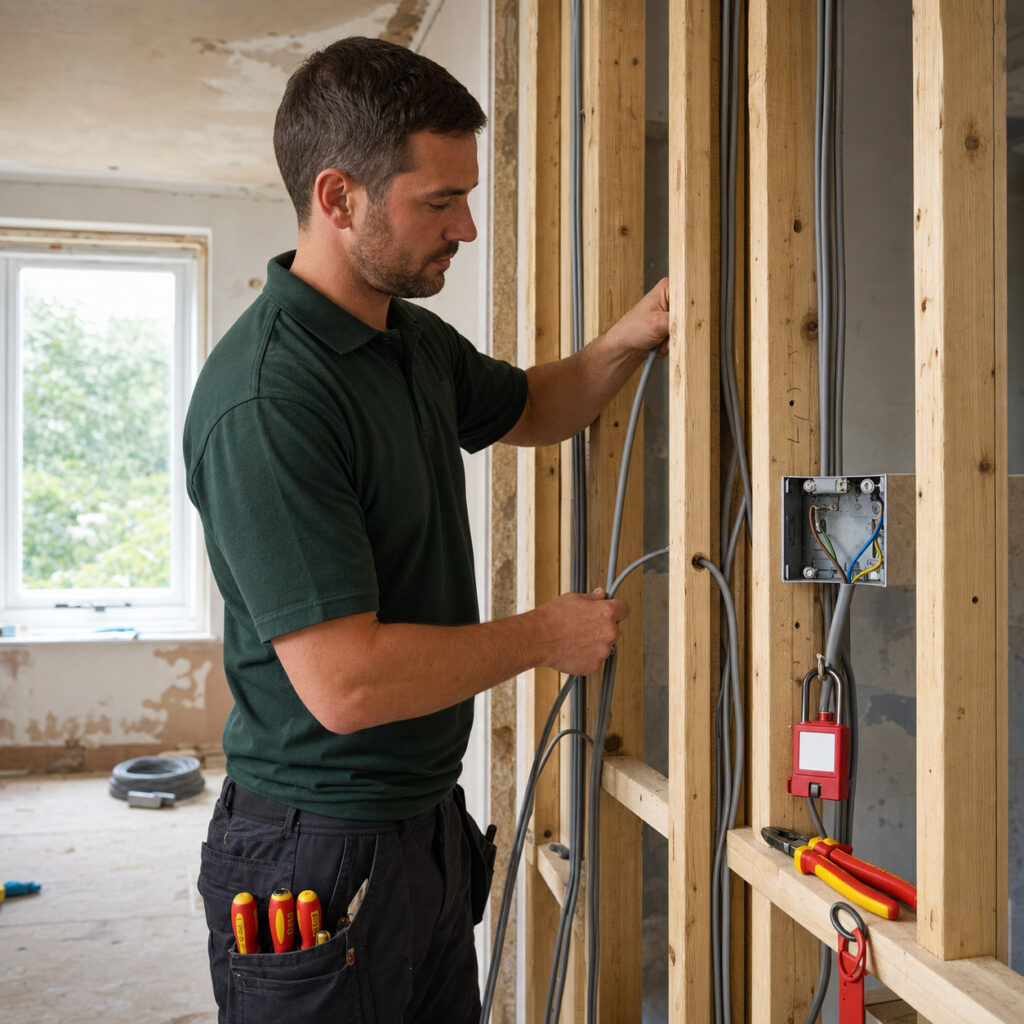
Goodrich includes properties where preservation and practicality need to work together. Chasing walls, lifting floors or routing cables through exposed areas should be discussed before work starts, especially where original finishes or architectural details matter. Surface-mounted accessories, discreet containment and carefully selected fitting positions can sometimes provide a better result than extensive disturbance.
Outbuildings and detached garages also need individual consideration. Long cable runs, damp conditions and buried routes require suitable protection, correct isolation and a design that accounts for voltage drop and mechanical damage. A domestic circuit should not simply be extended into a separate building without checking whether the arrangement is appropriate for the load and environment.
Use testing, certification and clear handover information
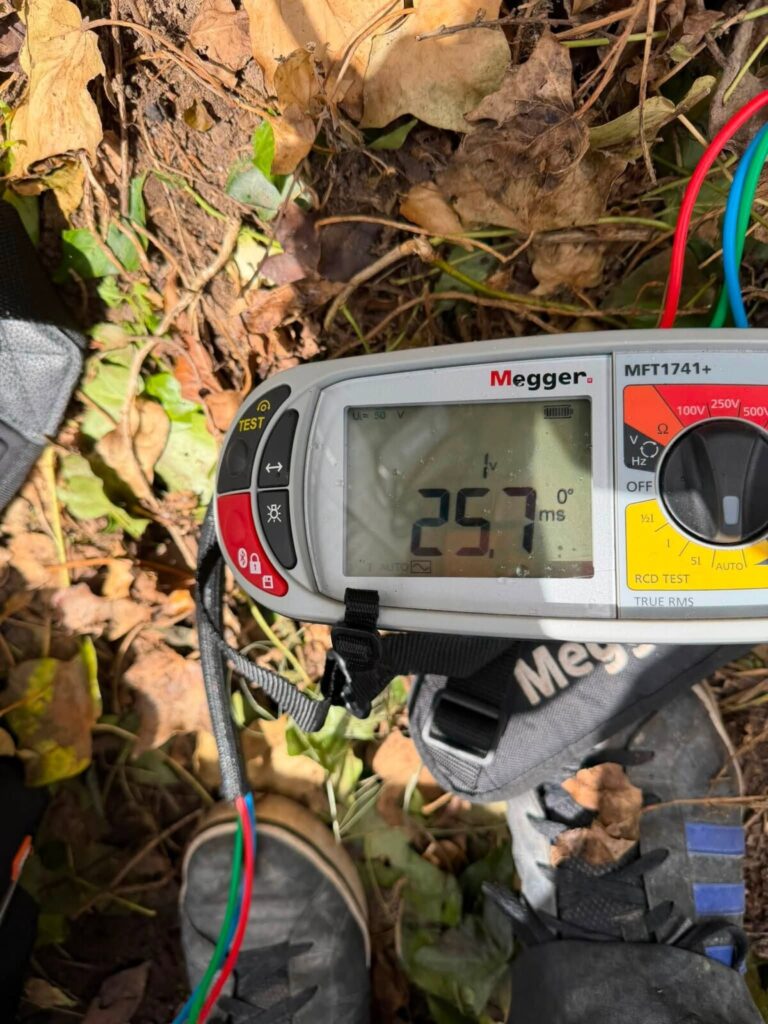
Testing is an essential part of a professional installation. The completed work should be inspected and tested so that protective devices, polarity, continuity, insulation resistance and other relevant safeguards are confirmed. The results provide useful evidence that the system has been completed properly and give the homeowner information to retain for future maintenance or property records.
A clear handover should explain the circuits, labels, isolation points and any equipment controls. Keep certificates, schedules and product information together, particularly if the work forms part of a wider renovation. Good records make future fault finding faster and help another electrician understand the installation without relying on guesswork.
Plan the work around your household
Electrical work can affect access, decorating, flooring and other trades, so sequencing matters. Agree which areas need to be cleared, when power will be unavailable and whether temporary arrangements are required. If several rooms are being renovated, a phased plan can keep part of the home usable while allowing the electrician to work efficiently.
For homeowners arranging upgrades in the Goodrich area, a detailed conversation at the start is the best way to clarify priorities. You can review the wider RP Electrical Installation service, identify immediate safety or convenience improvements and set aside future-ready provisions. If you would like to discuss an upcoming project, use the contact page to arrange the next step.
Good electrical installation is not only about adding more power points. It is about creating a system that suits the building, supports the way your household lives and remains understandable years after the work is complete. With careful surveying, practical circuit design and thorough testing, Goodrich homeowners can make improvements confidently while preserving the character and usability of their property.