


Electrical work in a rural home needs to be safe, carefully planned and suited to the way the property is actually used. In Wormelow, houses can range from older cottages with limited original wiring to modern extensions, converted rooms and outbuildings that place very different demands on an electrical system. A well-considered electrical installation gives each part of the home dependable power, sensible controls and protection that is appropriate for the building.
Professional planning also helps prevent the common problems that appear when several small jobs are completed separately. Lighting, sockets, heating controls, kitchen appliances, garden supplies and future technology all need to work together. RP Electrical Installation can help homeowners understand the scope of a project before work starts, with practical advice that keeps safety, convenience and long-term maintenance in view.
Start With a Clear Electrical Plan
The first step is to identify how every room and external area will be used. A kitchen may need dedicated circuits for cooking equipment, refrigeration, laundry appliances and worktop sockets, while a home office may require a reliable group of outlets, data equipment and well-positioned task lighting. Bedrooms, utility rooms and garages each bring their own requirements. Listing these needs early makes it easier to plan capacity and avoid a trail of extension leads after the work is complete.
It is equally important to consider what may change later. A growing family, a garden office, a heat pump, an electric vehicle or a future extension can all affect the demand placed on the installation. Allowing suitable routes, spare capacity and accessible isolation points during the initial work can make future improvements less disruptive. This forward-thinking approach is useful for both new installations and substantial rewires.
For broader information about planning a domestic system, homeowners can read the electrical installation guidance for Garway homes, which covers several of the practical questions that arise in nearby properties.
Safety Checks Before Installation
Before new cables or accessories are installed, the condition of the existing system should be understood. Signs such as warm sockets, flickering lights, repeated tripping, damaged accessories or unexplained power loss should not be ignored. Older wiring may also lack the protective arrangements expected in a modern home. A qualified electrician can assess the installation, identify urgent issues and explain whether a repair, partial upgrade or more complete replacement is the sensible route.
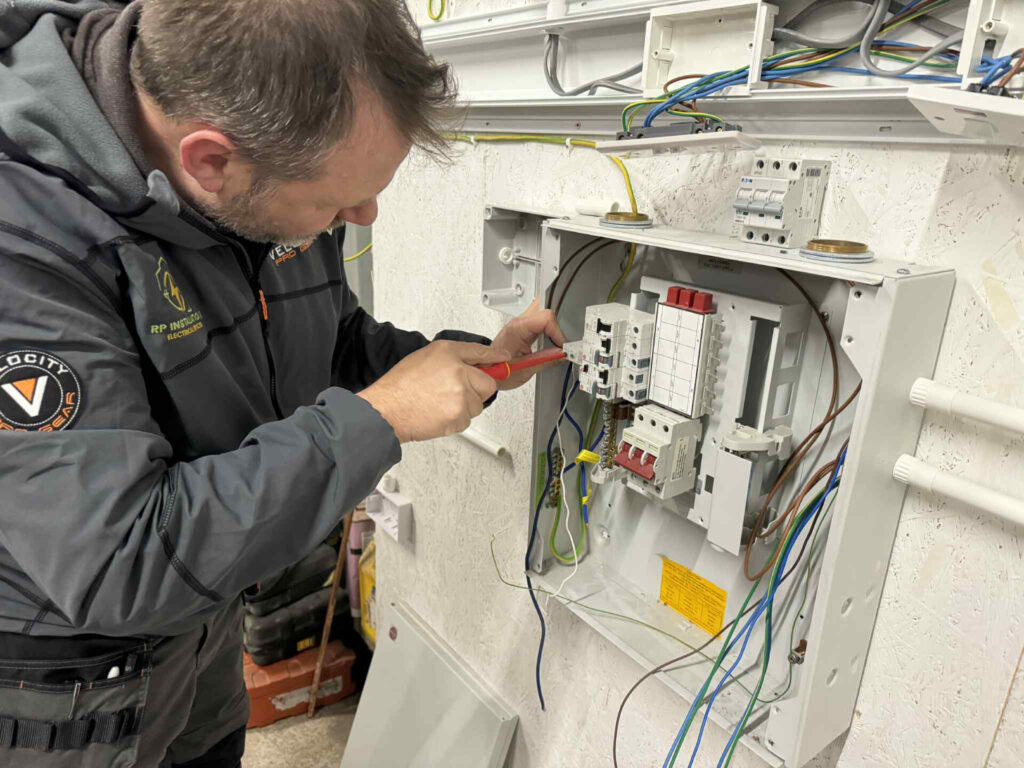
Good installation work includes attention to circuit protection, earthing and bonding, cable routes, junction points and the position of switches and accessories. Outdoor supplies need particular care because moisture, impact and changing temperatures create additional risks. Garage, shed and garden circuits should be designed with suitable protection and isolation rather than adapted from an indoor circuit without proper consideration.
Planning these details carefully helps the finished work remain tidy and understandable. Clear labelling at the consumer unit, accessible isolation and sensible cable routes all make future inspection and maintenance easier. They also help another electrician work safely if the property is altered later.
Make Everyday Rooms More Useful
An electrical installation should support how people move through the house, not simply place a minimum number of sockets on each wall. In a kitchen, sockets should be convenient without being crowded behind appliances. In living spaces, a mix of general outlets, floor-level power and switched lighting can make furniture layouts more flexible. Hallways, stairs and entrances benefit from controls that are easy to reach at both ends of a route.
Lighting deserves the same level of thought. Layered lighting can combine general illumination with focused task light and softer accent light, allowing one room to serve several purposes. Warm, comfortable light may suit a sitting room, while brighter and more even illumination is useful for a utility space or workshop. Dimmers, two-way switching and carefully positioned fittings can improve comfort without adding unnecessary complexity.
Where a renovation includes a new kitchen, bathroom or extension, coordinating the electrical layout with cabinetry, plumbing and ventilation is especially valuable. It reduces visible cable runs, avoids awkwardly placed switches and leaves service points where they can actually be reached.
Prepare for Modern Electrical Demand
Homes in Wormelow are increasingly using more connected equipment, larger appliances and dedicated charging systems. An installation that was adequate when a property had a small number of televisions and basic lighting may need review when it also supplies induction cooking, home working equipment, outdoor buildings and an EV charger. Load planning helps identify how these demands can be balanced safely.
EV charging is a good example of why a wider assessment matters. The charger location, cable route, parking position and available capacity all influence the installation. Homeowners considering an electric vehicle can read the EV charger installation guidance for Much Birch homes for a useful comparison of the practical issues that should be discussed before choosing equipment.
Smart controls can also be introduced sensibly, but they should support a sound underlying installation. Reliable circuits, good Wi-Fi planning where relevant, clear manual overrides and accessible equipment are more important than adding features that are difficult to use or maintain.
Choose a Practical Installation Process
A clear process keeps disruption under control. The work should begin with an agreed scope, a room-by-room review and a discussion of the accessories, controls and finishes that will be used. During installation, circuits and routes can be coordinated with other trades, while any changes to the original plan can be explained before they become unexpected additions.
Once the work is complete, the final checks and documentation matter just as much as the visible fittings. Homeowners should know which circuits serve which areas, where the main isolation points are located and what information has been provided for the completed installation. A tidy handover makes it easier to operate the system confidently and plan later improvements.
RP Electrical Installation can discuss domestic electrical installation requirements in Wormelow and surrounding villages. For another local example of how careful planning supports an older rural property, see the electrical installation planning for Howle Hill homes.
Electrical Installation in Wormelow
Whether the project involves a rewire, an extension, additional sockets, improved lighting or preparation for higher electrical demand, the best result comes from combining safe workmanship with a realistic plan for daily life. Early advice can reveal hidden constraints, reduce avoidable alterations and help each part of the property work as one dependable system.
Homeowners in Wormelow can arrange a conversation with RP Electrical Installation to discuss the property, the intended improvements and the most suitable next steps.