


Homes around Kerne Bridge often combine older construction, changing household demands and a mixture of original and modern electrical work. That combination deserves a careful, practical approach rather than a quick list of isolated repairs. Whether you are improving a kitchen, preparing a property for sale or making a rural home more comfortable, a planned electrical installation can make the whole building safer and easier to use.
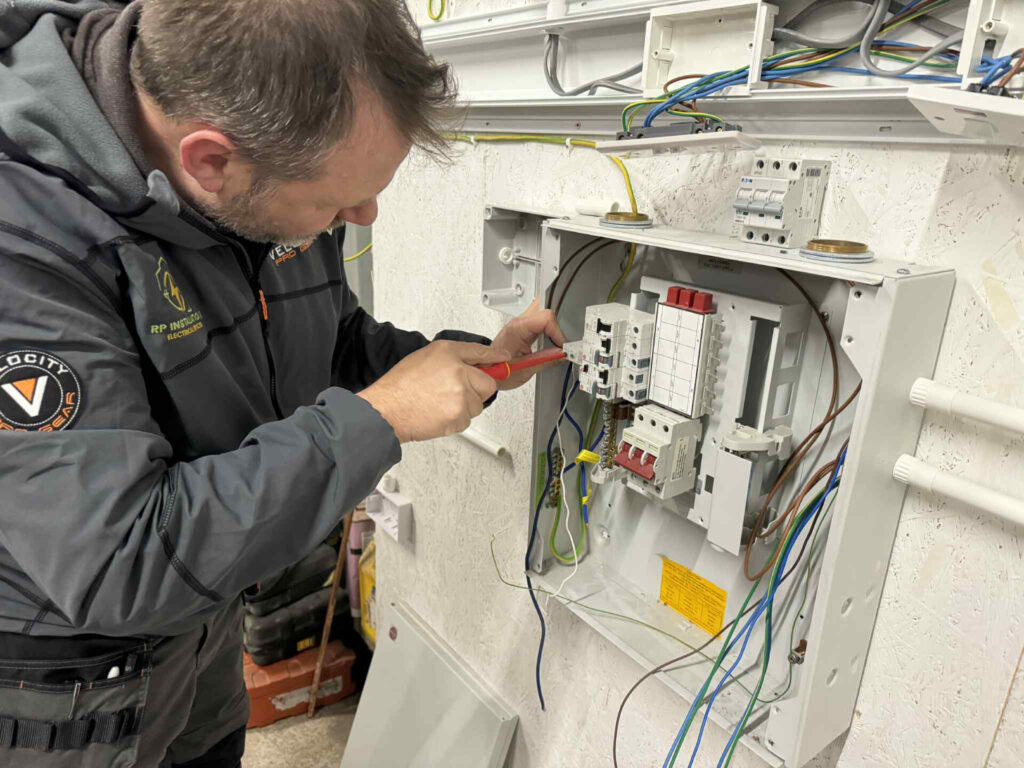
A useful starting point is to understand how the existing installation behaves under everyday demand. Modern homes may have induction cooking, heat pumps, home offices, washing appliances and outdoor equipment working alongside lighting and socket circuits that were designed for a different era. A qualified electrician can review the layout, discuss how you use each room and explain which improvements should be prioritised. For broader advice, our electrical installation service provides a clear route from the first conversation through to completed work.
Start with a Practical Electrical Survey
Before new accessories or circuits are specified, it is sensible to establish what is already in place. An electrical survey can consider the consumer unit, visible cabling, earthing and bonding, circuit protection, socket positions and the condition of fittings. It can also identify signs that a circuit is being asked to do too much, such as regularly tripping protection, warm accessories, flickering lights or extension leads being used as a permanent solution.
Older properties need particular care because alterations may have been made in stages. A newer extension, converted outbuilding or upgraded kitchen might not share the same standards as the original installation. A survey does not have to mean replacing everything. It gives you an informed sequence of work, helping you separate urgent safety matters from improvements that can be planned around your budget and the way you live in the property.
Plan Circuits Around How the Home Is Used
Good electrical design is about more than adding extra sockets. In a busy kitchen, separate circuits and well-positioned outlets can make appliances easier to isolate and reduce reliance on trailing cables. In a home office, thoughtful socket placement can keep data equipment, screens and chargers tidy. Utility rooms, workshops and garden buildings may need their own considered arrangements, especially where equipment has a higher load or where the cable route passes through exposed areas.
It is also worth thinking ahead. If you expect to add an electric vehicle charger, renewable technology, a garden office or upgraded heating, mentioning those plans early can influence the best route for cabling and the available capacity. Planning at the design stage can avoid unnecessary disruption later. Every circuit should be selected, installed and tested for its intended use, with protective devices and isolation points that remain accessible for future maintenance.
Improve Lighting for Comfort and Safety
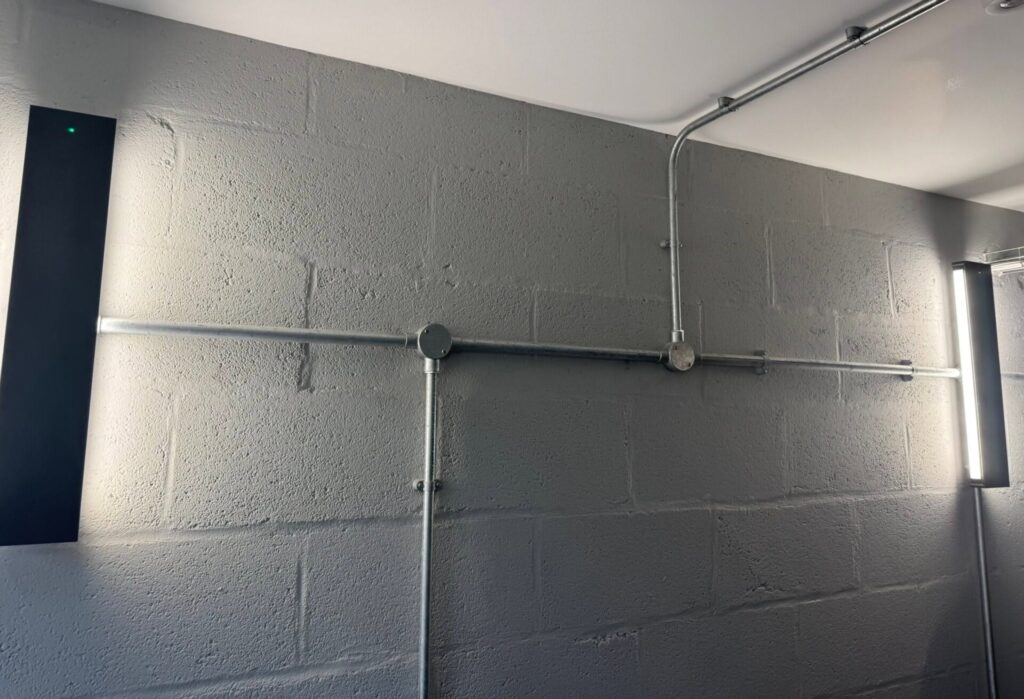
Lighting changes can transform a room, particularly in homes where thick walls, low ceilings or limited natural light affect the atmosphere. A layered plan might combine general illumination with task lighting over worktops, focused light near stairways and softer fittings for living spaces. In circulation areas, reliable switching and sensible positioning matter just as much as the appearance of the fitting. Outdoor lighting can also improve arrival, security and safe access without creating glare for neighbours.
When choosing fittings, consider maintenance as well as style. LED fixtures can provide efficient, consistent light, but their colour temperature, beam spread and dimming compatibility still need to suit the room. Bathrooms, utility spaces and external areas require fittings with appropriate protection against moisture and impact. If you are redesigning several rooms, our lighting installation guidance can help you think through controls, fitting positions and the balance between practical and decorative light.
Finish with Testing and Clear Handover
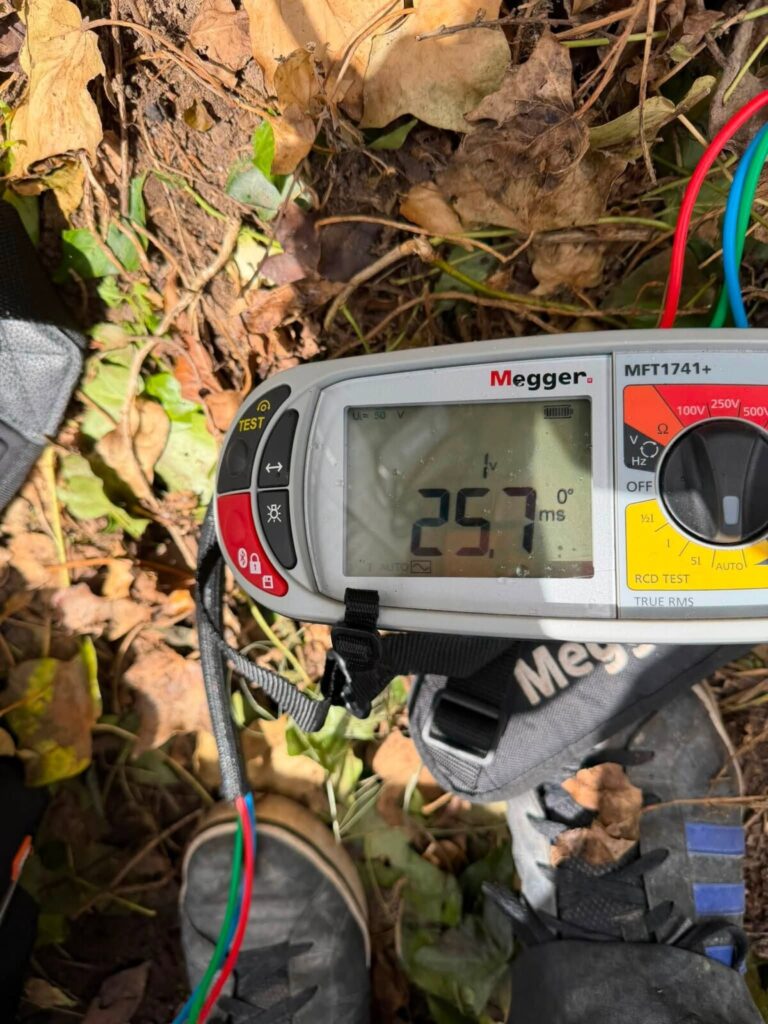
Once installation work is complete, testing is an essential part of the job. The checks should confirm that circuits, protective devices, polarity, earthing and the installed accessories perform as intended. A tidy finish is valuable, but the paperwork and explanation are equally important. You should know which circuits serve which areas, how isolation works and what information should be retained for future alterations or property records.
For homeowners in Kerne Bridge, a staged approach often works well: address safety concerns first, make the most-used rooms easier to operate, then schedule improvements such as exterior lighting or future charging capacity. If you are unsure whether a problem is minor or indicates a wider issue, arrange professional advice before carrying out DIY changes. Our Kerne Bridge electrician service can discuss the property, explain the options in plain language and help you move forward with work that is safe, durable and suited to your home.