Electrical systems in Orcop homes need to work reliably across a wide range of properties, from older cottages with later alterations to more modern houses with higher demands from appliances, heating controls and home working. A planned electrical installation gives homeowners a clearer view of how circuits, protective devices, lighting and sockets should work together. It also helps uncover small issues before they become inconvenient or unsafe.
Good preparation is especially valuable when a property is being renovated, extended or adapted for changing family needs. A professional electrician can discuss the intended use of each room, identify practical cable routes and recommend sensible positions for switches, sockets and equipment. This creates a more useful result than simply adding outlets wherever space happens to be available.
Assessing an Orcop Home Before Work Begins
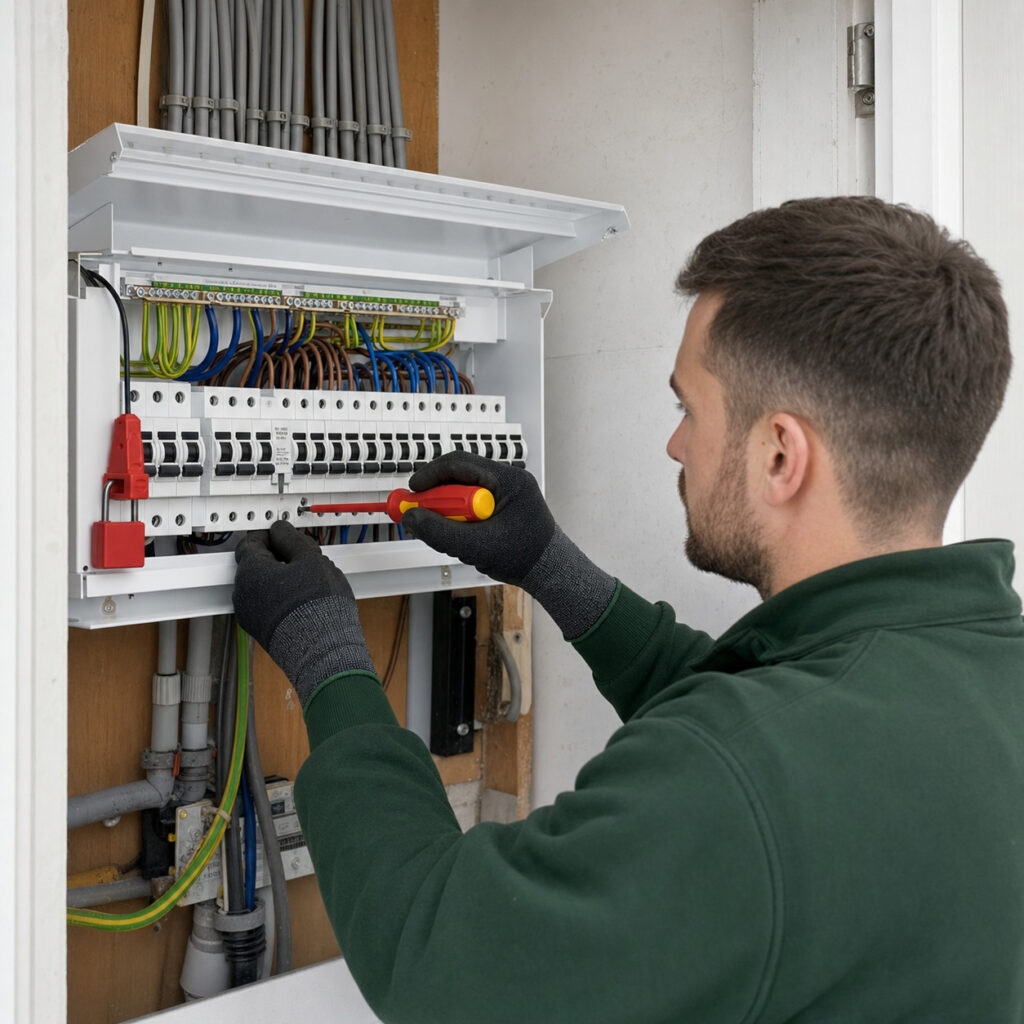
The first stage of an electrical installation is understanding what is already in place. An assessment considers the consumer unit, earthing and bonding, circuit protection, cable condition and the way previous alterations have been connected. Older installations may have been extended several times, so visible accessories do not always show the full condition of the wiring behind walls, floors or ceilings.
It is also important to discuss how the property is used now and how it may be used later. A kitchen may need dedicated supplies for cooking appliances, refrigeration and extraction, while a home office may benefit from carefully planned sockets and data equipment. Outbuildings, workshops and future electric vehicle charging should be considered early because they can affect the design and capacity of the overall installation. Our electrical installation service can help turn these requirements into a practical plan.
Planning Circuits, Sockets and Lighting
A well-designed installation separates electrical loads sensibly and provides convenient control in everyday areas. Kitchen appliances, utility equipment, heating systems and general socket circuits may need different arrangements, depending on the property and the equipment being installed. Allowing spare capacity can also make future changes easier, reducing the temptation to rely on extension leads or multiple adaptors.
Socket positions should be planned around furniture, work surfaces and access rather than placed as an afterthought. In living rooms, this might mean providing power where media equipment and lamps are likely to sit. In bedrooms and offices, extra charging points can reduce trailing cables. Lighting deserves the same attention: layered lighting using ceiling fittings, task lights and separately controlled accent lighting can make rooms safer and more comfortable without making the system unnecessarily complicated.
Safety Checks and Consumer Unit Considerations
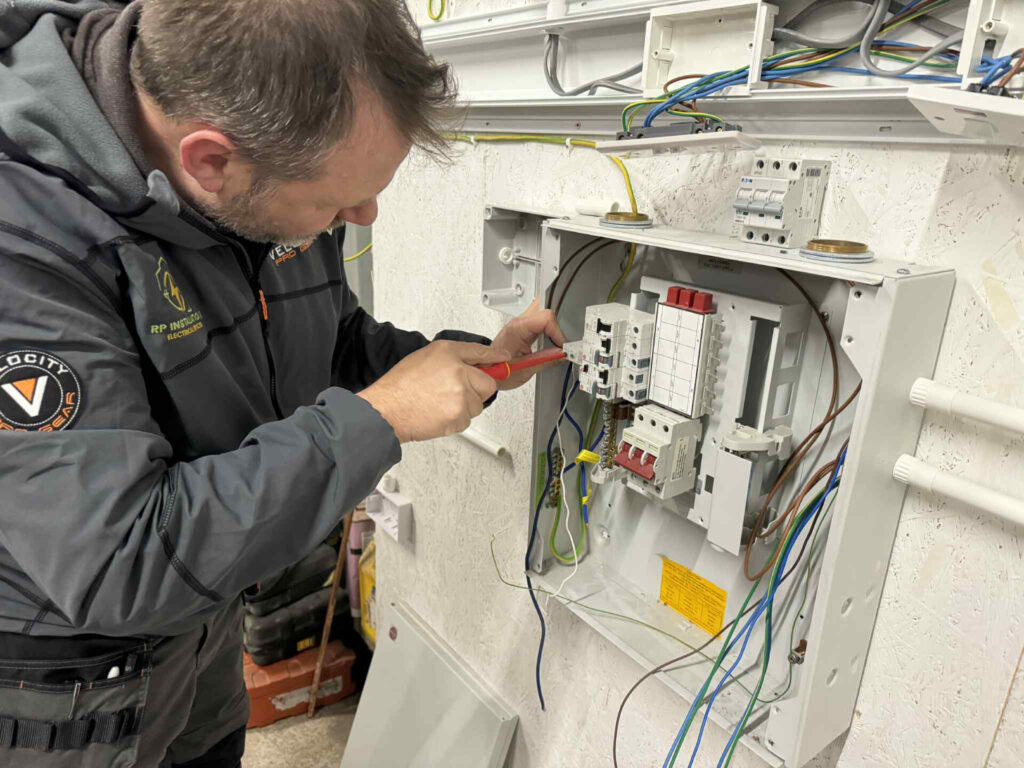
Protective devices are a central part of electrical safety. Depending on the installation, improvements may include suitable RCD or RCBO protection, clearer circuit labelling, replacement of outdated components or attention to earthing and bonding. These decisions should follow inspection and testing rather than assumptions based only on the age or appearance of the consumer unit.
Where a property is being purchased, renovated or prepared for letting, an Electrical Installation Condition Report can provide useful evidence about the condition of the system. An EICR identifies observations and classifies issues so that urgent defects can be dealt with appropriately. It is not a substitute for good design, but it can guide priorities and help establish whether existing circuits are suitable for planned changes.
Making the Installation Ready for the Future
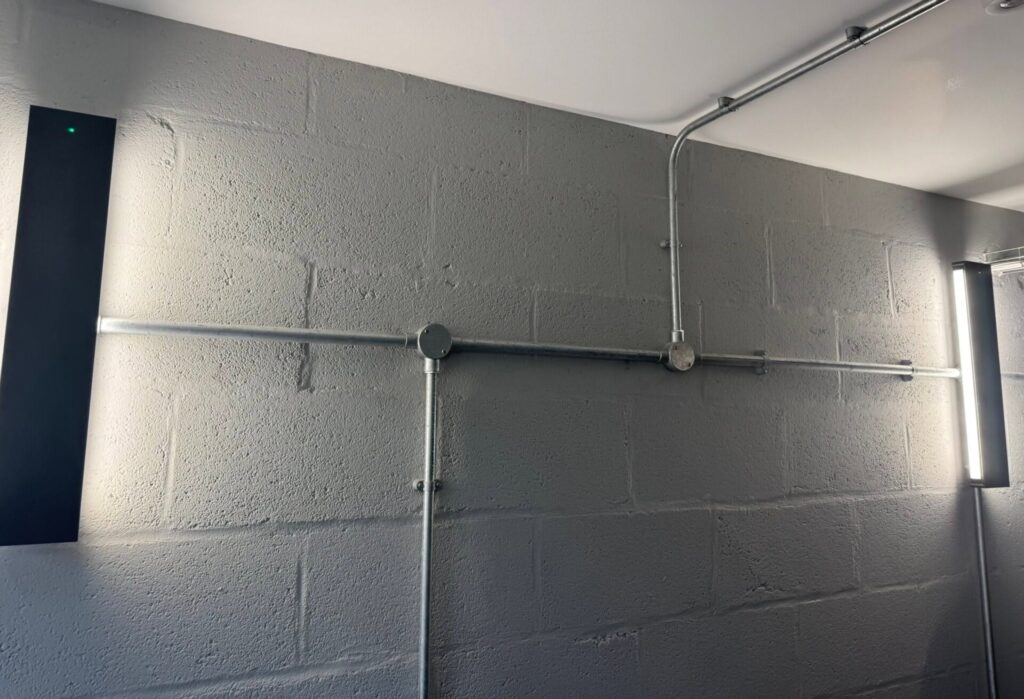
Future-proofing does not mean installing every possible device. It means leaving sensible options for likely changes. A homeowner may later add an induction hob, garden office, heat pump controls, improved outdoor lighting or an EV charger. Discussing these possibilities before walls are closed can allow routes, containment or spare ways to be considered at a much lower cost than returning to completed finishes.
Energy monitoring, smart controls and improved lighting can also be introduced gradually. The important point is to keep the underlying wiring safe, accessible where appropriate and clearly documented. If a consumer unit needs modernising, our consumer unit upgrade guidance explains why the replacement should be selected as part of the wider installation rather than treated as an isolated box-swapping exercise.
Once work is complete, circuits should be inspected, tested and labelled, with certificates and relevant information provided to the homeowner. Taking time to understand the controls and keep records with the property makes future maintenance much easier. For Orcop homeowners, a carefully planned electrical installation offers dependable day-to-day performance, improved safety and a more adaptable foundation for the years ahead.