Electrical work in a rural home needs to be safe, dependable and suited to the way the property is actually used. In Rowlestone, houses can range from older stone cottages and converted farm buildings to newer family homes, so a useful electrical installation plan must take account of age, layout, outbuildings and future changes. A well-considered approach helps homeowners avoid awkward cable routes, overloaded circuits and repeated disruption when another improvement is added later.
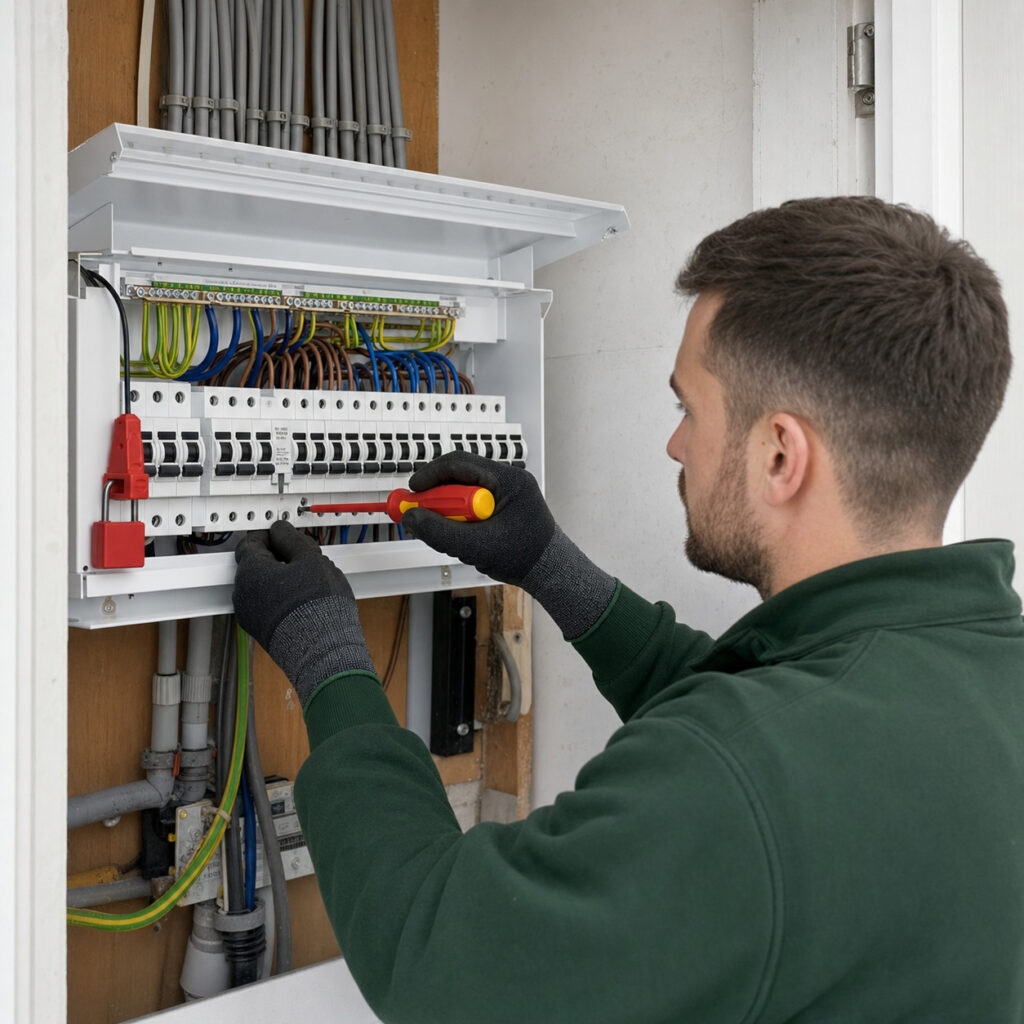
Whether the project involves a renovation, an extension, a new kitchen or a general review of an ageing system, the first step is to understand the existing installation. That means looking at the consumer unit, visible wiring, earthing arrangements, circuit protection and the condition of accessories. A qualified electrician can then explain what should be upgraded immediately, what can remain, and how the work can be staged sensibly around the household budget.
Plan the electrical installation around the property
Every home has its own demands. A busy kitchen may require dedicated circuits for an oven, induction hob, dishwasher, fridge and small appliances, while a home office needs reliable sockets, good lighting and sensible provision for communications equipment. Older properties may also have thick walls, limited voids and previous alterations that are not obvious from the finished surfaces. Planning cable routes before plastering, joinery or insulation is installed reduces the risk of unnecessary chasing and patching.
It is worth considering how rooms may be used in five or ten years, not only how they function today. Additional sockets beside beds, desks and media points can prevent future reliance on extension leads. External power for a workshop, garden office or security lighting should be planned with appropriate protection and isolation. The same applies to loft conversions, utility rooms and garage spaces, where a modest amount of early planning can make later upgrades far simpler.
Homeowners arranging a broader project can review the company’s electrical installation service for an overview of domestic wiring, upgrades and new circuit work. The important point is to coordinate the electrical design with the building work, rather than treating it as an afterthought once walls and ceilings are already complete.
Safety checks for older and altered wiring
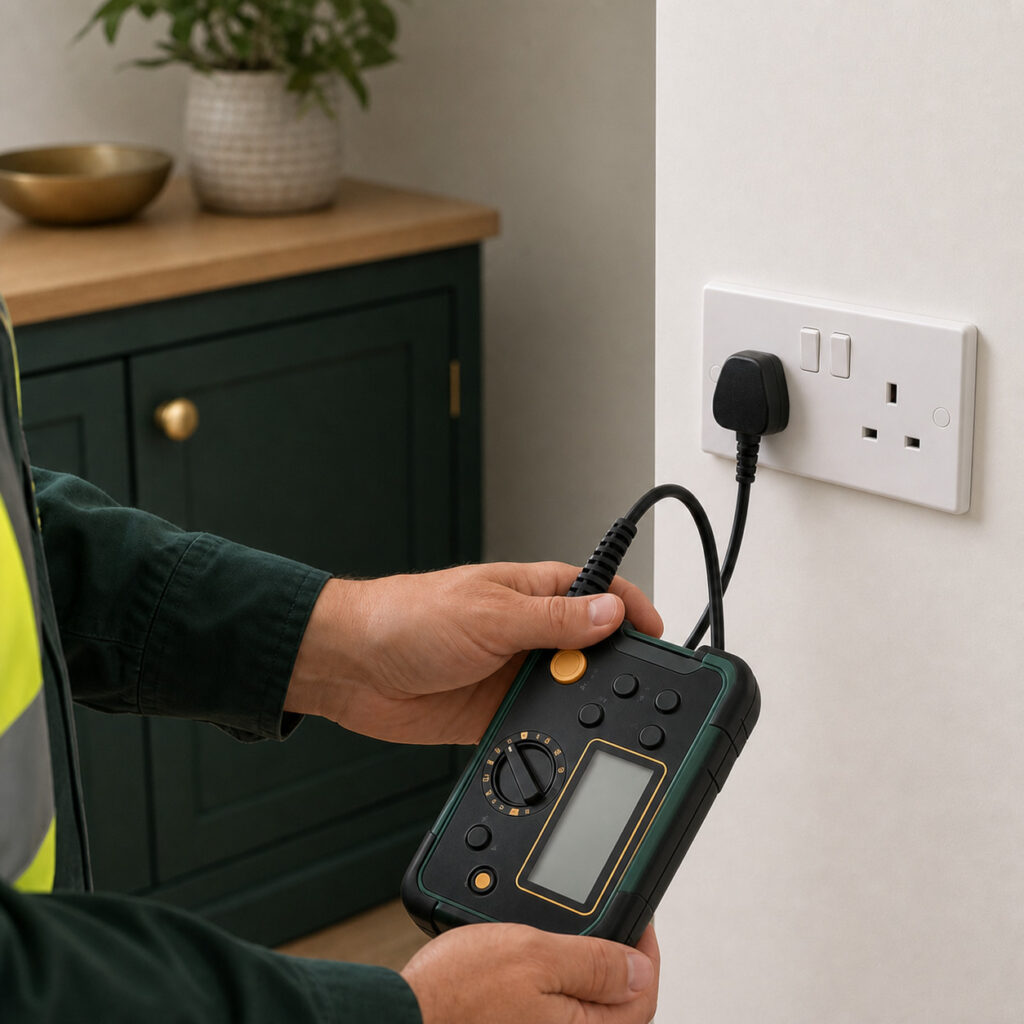
Many rural homes have seen several generations of repairs and improvements. A newer extension may sit alongside older circuits, mixed accessory styles and cables installed at different times. None of those details automatically means the installation is unsafe, but they do make a careful assessment valuable. Signs such as warm sockets, flickering lights, nuisance tripping, brittle accessories, damaged cables or unexplained dead outlets should be investigated rather than ignored.
Protection is just as important as capacity. Appropriate residual current protection can help reduce the risk of electric shock, while correctly rated breakers and sound connections help limit fire risks caused by faults or overloads. Outdoor circuits, sheds and detached buildings need particular care because moisture, long cable runs and exposed equipment introduce additional considerations. A professional will also check that bonding and earthing arrangements are appropriate for the property and the work being proposed.
If a house is changing hands, being renovated or having significant work carried out, an inspection can provide a clearer picture of its condition. It can identify urgent defects, recommend improvements and give the owner a practical order of priorities. That evidence is more useful than relying on the age of the fuse board or assuming that a previous installation certificate covers every later alteration.
Make lighting, controls and sockets work better
Good electrical installation is not only about compliance. The position and control of fittings affect comfort every day. Layered lighting can combine general illumination with task lighting over worktops, reading areas, stairs and entrances. Two-way or intermediate switching is useful on landings and corridors, while dimming can make living spaces more adaptable without adding visual clutter.
Socket planning deserves the same attention. Place outlets where furniture is likely to sit, leave practical clearance from sinks and hobs, and allow for chargers, lamps and seasonal equipment. In a renovation, it may be possible to conceal wiring for wall-mounted televisions, under-cabinet lighting or automated blinds before finishes are applied. Choosing durable accessories and keeping circuits clearly labelled also makes future maintenance easier.
Lighting around paths, driveways and outbuildings should provide useful visibility without creating glare for neighbours or wasting energy through poor controls. Timers, photocells and occupancy sensors can be selected to suit the location. For ideas that combine appearance with practical illumination, the lighting installation service covers domestic indoor and outdoor requirements.
Allow for future electrical upgrades
Energy use is changing quickly, and a sensible installation should leave room for future demand. Homeowners may later want an electric vehicle charger, heat pump, garden office or upgraded cooking equipment. That does not mean installing everything immediately, but it does make it worthwhile to discuss spare ways, consumer unit capacity, cable routes and the likely position of new equipment during the initial project.
Electric vehicle charging is a good example. The best location depends on parking arrangements, cable distance, the incoming supply and how the charger will be protected and controlled. If an EV is part of the household’s near-term plans, mentioning it before driveways, paving or landscaping are finished may avoid avoidable remedial work. More information is available through the EV charger installation service.
A clear handover is the final part of a quality installation. Keep certificates, test results, circuit schedules and product information together, and make sure the consumer unit labels match the circuits in the house. Rowlestone homeowners who plan carefully, use suitable protection and allow for future needs can gain an electrical system that is safer, easier to maintain and better prepared for the next improvement.
Local electrical installation support in Rowlestone
For homeowners in and around Rowlestone, professional advice can turn a list of disconnected jobs into a coordinated plan. Discussing the property, the intended changes and the likely future demands at the outset helps ensure that the installation is designed around real use. It also gives the homeowner a clearer understanding of the work, the sequence and the decisions that need to be made before installation begins.