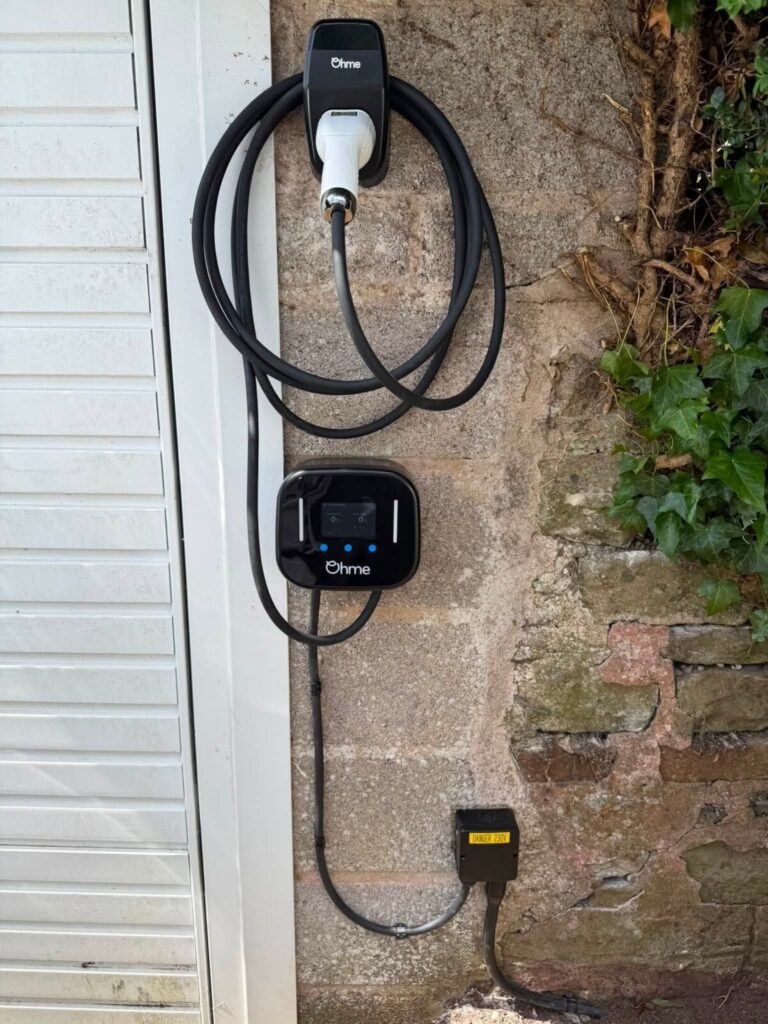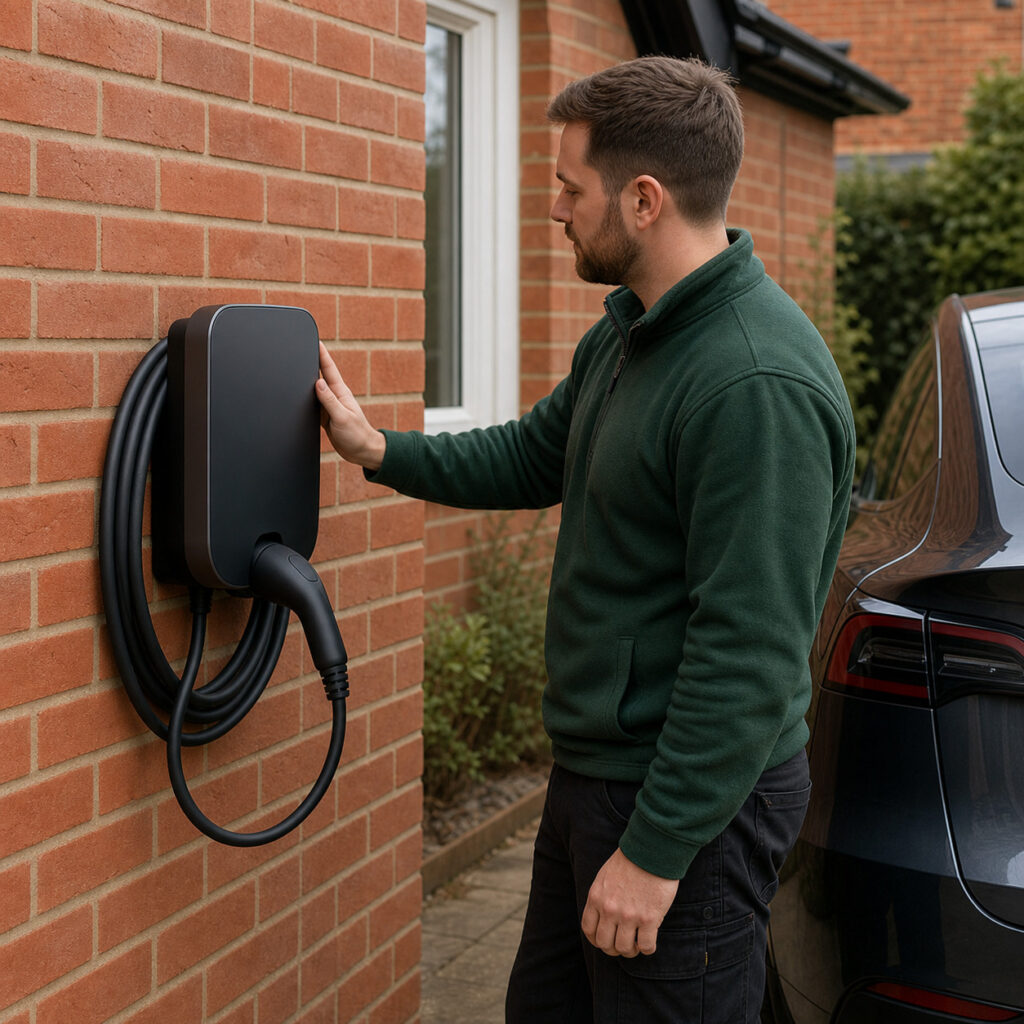



Installing an electric vehicle charger at home is a practical improvement for drivers in Abbey Dore, especially when daily journeys begin on rural roads and reliable overnight charging matters. A properly planned installation gives you a convenient way to recharge at home while making sure the charger, cabling and existing electrical system work together safely. The right solution depends on the property, the parking position, the vehicle and the way electricity is already distributed around the building.
Professional planning is useful even when the installation appears straightforward. Cable routes may pass through older walls, outbuildings or external areas, and the available capacity at the consumer unit can vary considerably between homes. An electrician can assess these details before work begins, explain the options clearly and install the equipment with safe, tidy workmanship in mind. If your wider wiring needs attention, an electrical installation service can help coordinate the charger with other improvements.
Assessing the property before fitting a charger
The first stage is a survey of the supply, consumer unit and proposed charging position. The installer will consider the rating and condition of the incoming supply, the spare capacity available, the protective devices already in place and the distance between the consumer unit and the charger. This helps determine whether the installation can proceed directly or whether additional work, such as a consumer unit upgrade or improvements to bonding and earthing, should be completed first.
Parking arrangements are equally important. Some Abbey Dore properties have detached garages, long drives or parking spaces that are not directly beside the house. The route must protect the cable from impact, damp and accidental damage while keeping the finished installation visually neat. The installer may recommend surface-mounted containment, a carefully planned underground route or a protected path through an outbuilding. The aim is to avoid improvised extensions and leave a durable installation that remains accessible for future inspection.
Choosing the right home EV charger
Charger selection should be based on how the vehicle is used rather than simply choosing the highest advertised power. A typical home charger can provide useful overnight charging, but the actual charging rate depends on the vehicle, the supply and any load-management controls. Smart features can help schedule charging during suitable periods, monitor energy use and reduce the likelihood of the charger placing unnecessary demand on the home at busy times.
It is also worth considering the physical design of the unit. Tethered chargers offer convenience because the cable is always available, while untethered models can look cleaner and allow the vehicle owner to choose a compatible lead. Cable length, connector position, weather exposure and access to the parking space all affect day-to-day usability. A good installation leaves enough clearance to plug in comfortably without creating a trip hazard or forcing the cable across a public route.
Managing electrical demand safely
Home energy use can change quickly when a charger operates alongside an electric cooker, heat pump, immersion heater or workshop equipment. Load management can monitor demand and adjust charging so that the overall supply remains within safe limits. This is particularly valuable in properties where several high-demand appliances may operate during the evening.
Protection and isolation arrangements should be selected as part of the complete design, not added as an afterthought. The installer will take account of the charger manufacturer’s requirements, the characteristics of the vehicle and the existing wiring. Testing after installation confirms that the protective measures operate correctly and that the circuit has been installed, labelled and documented appropriately. If the property has older or uncertain wiring, an EICR safety certificate may provide useful information before the new circuit is designed.
Planning the installation around Abbey Dore homes
Local homes can present a mixture of modern and traditional construction. Stone walls, thick masonry, converted farm buildings and detached garages each affect how cable routes are planned. Drilling, containment and external fixings should be carried out carefully so the charger looks considered rather than bolted on. Where the route crosses exposed areas, suitable weather-resistant materials and secure fixings help the installation remain reliable through changing conditions.
Access and future maintenance should also be considered. The charger needs enough space for safe isolation and inspection, while the cable route should remain identifiable if other electrical work is carried out later. Clear labelling and accurate test documentation make it easier for another electrician to understand the circuit. These small details can save time and reduce disruption if the property is extended, a garage is converted or the charging arrangement is upgraded.
What to expect on installation day
Once the design is agreed, the electrician will confirm the charger position, protect working areas and install the dedicated circuit and associated equipment. The work may involve routing cable indoors, through an external wall or along a garage path, followed by mounting and connecting the charger. The final appearance should be neat, with cables supported at suitable intervals and penetrations sealed against moisture.
Testing is an essential part of the completion process. The circuit and charger are checked, protective devices are tested and the installer confirms that the equipment communicates and operates as intended. You should receive relevant information about controls, isolation and routine use, along with documentation for the installation. If you are also improving garden, security or interior lighting, an lighting installation service can be planned separately so the different electrical works are coordinated efficiently.
Preparing for dependable overnight charging
A home charger is most useful when it fits naturally into your routine. Before booking, note where the vehicle is normally parked, how far it is from the consumer unit and which appliances commonly run overnight. Think about whether visitors, a second electric vehicle or a future extension could change the demand on the system. Sharing these details during the survey helps the electrician recommend an installation that remains practical beyond the first day.
For Abbey Dore homeowners, careful preparation provides a safer and more convenient route to home charging. A correctly sized circuit, suitable protection, a sensible cable route and clear handover information all contribute to dependable use. With the property assessed properly and the charger chosen around real driving habits, overnight charging can become a simple part of everyday life rather than another electrical concern to manage.