


Homes in Hom Green often combine older construction with modern expectations: reliable power for appliances, comfortable lighting for every room, and enough capacity for future technology. A thoughtful electrical installation is not simply a matter of adding sockets or replacing a fitting. It is an opportunity to understand how a property is used, identify ageing components, and create a safer, more convenient system that will remain practical as the household changes.
Whether you are renovating a cottage, improving a family home, or preparing an outbuilding for a new purpose, planning matters. Electrical work should be designed around the building rather than added piecemeal. That means considering cable routes, protective devices, earthing, circuit separation, lighting controls, and the likely demand from equipment such as induction hobs, heat pumps, or an electric vehicle charger.
Start with a clear electrical plan
A useful first step is to map how each part of the property is used now and how it may be used later. Kitchens and utility rooms typically need more dedicated circuits than a bedroom, while garden offices, workshops, and converted garages may need their own supply and isolation arrangements. Thinking about these requirements before walls are opened can prevent awkward extensions, trailing leads, and unnecessary remedial work.
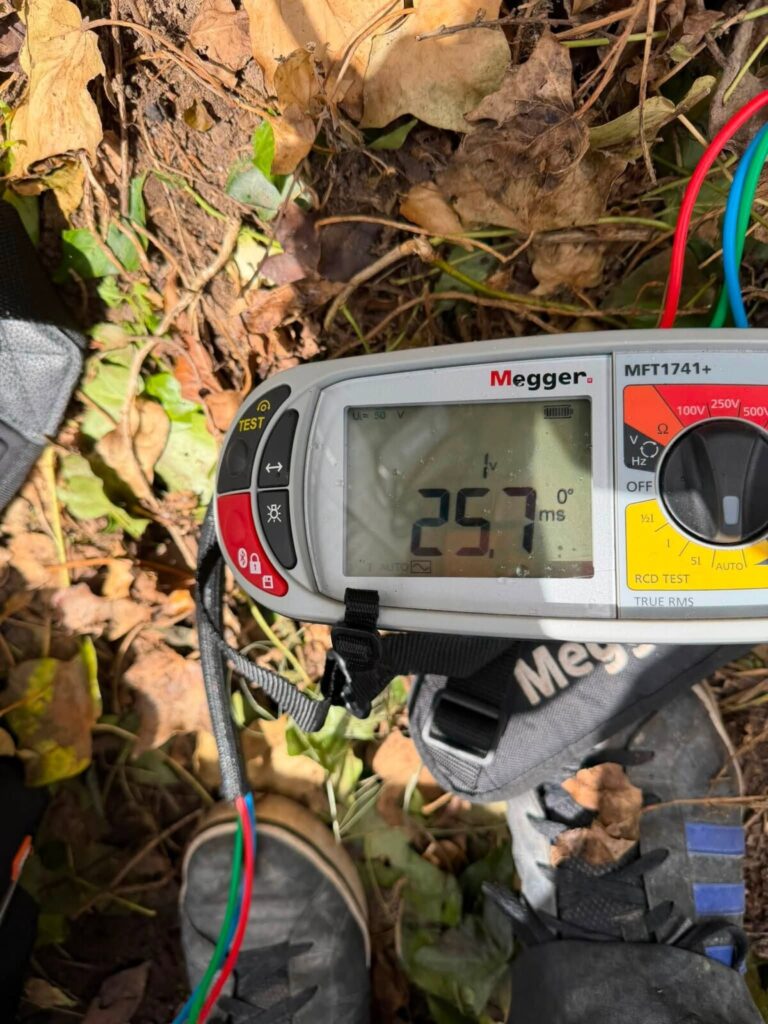
It is also worth recording any symptoms that suggest the existing system needs closer attention. Flickering lights, warm switches, nuisance tripping, cracked accessories, or a reliance on extension leads should not be treated as minor inconveniences. An inspection can distinguish between an isolated accessory fault and a wider issue with circuit loading or protective equipment. Where a problem is intermittent or difficult to trace, professional electrical fault finding can help establish the cause before improvements are specified.
A good plan also allows for access and maintenance. Consumer units, junction points, isolators, and external connections should be positioned so they can be reached safely in the future. Clear labelling and sensible circuit schedules make later fault diagnosis faster and help anyone working on the property understand what each protective device controls.
Improve safety and everyday reliability
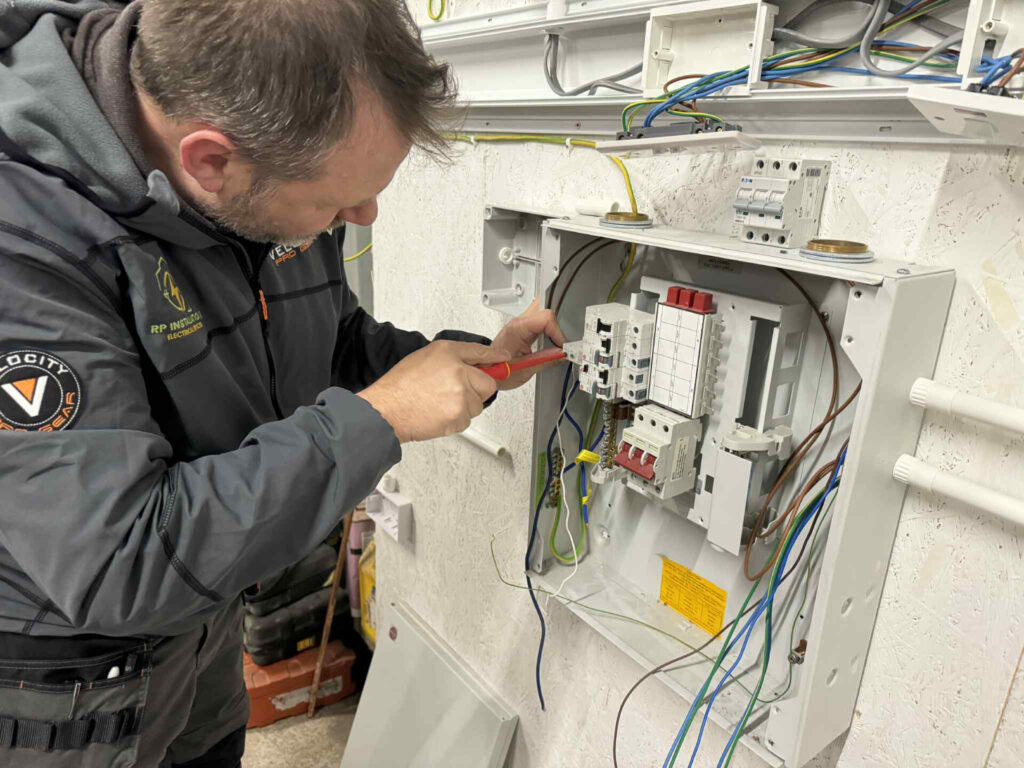
Modern electrical installation work should balance convenience with protection. Suitable residual current protection, correctly selected breakers, effective bonding, and sound earthing all contribute to reducing the risk from faults. The right arrangement depends on the property and the condition of the existing installation, so replacement or alteration should follow an assessment rather than a one-size-fits-all assumption.
Older homes may also have a mixture of cable types, accessories, and previous alterations. A new circuit connected to an unsuitable or overcrowded consumer unit can limit the value of the improvement. In some cases, a consumer unit upgrade provides a more coherent foundation for new circuits, but the decision should follow inspection and testing. The aim is a system that is easier to isolate, easier to understand, and better suited to the demands placed on it.
Small design choices make a noticeable difference to reliability. Separate circuits for high-load appliances can reduce nuisance tripping, while well-positioned sockets can remove the need for adapters. External supplies should be planned with appropriate protection and isolation, especially where cables pass through gardens, workshops, or areas exposed to moisture.
Use lighting to make rooms and paths work better
Lighting is part of the electrical design, not merely a finishing detail. In a kitchen, layered lighting can combine bright task illumination with softer ambient light. In hallways and stairways, consistent switching and sensible placement reduce dark spots and make movement easier. Bedrooms, living rooms, and home offices may benefit from separate controls so the light level can be matched to the activity rather than relying on one harsh fitting.
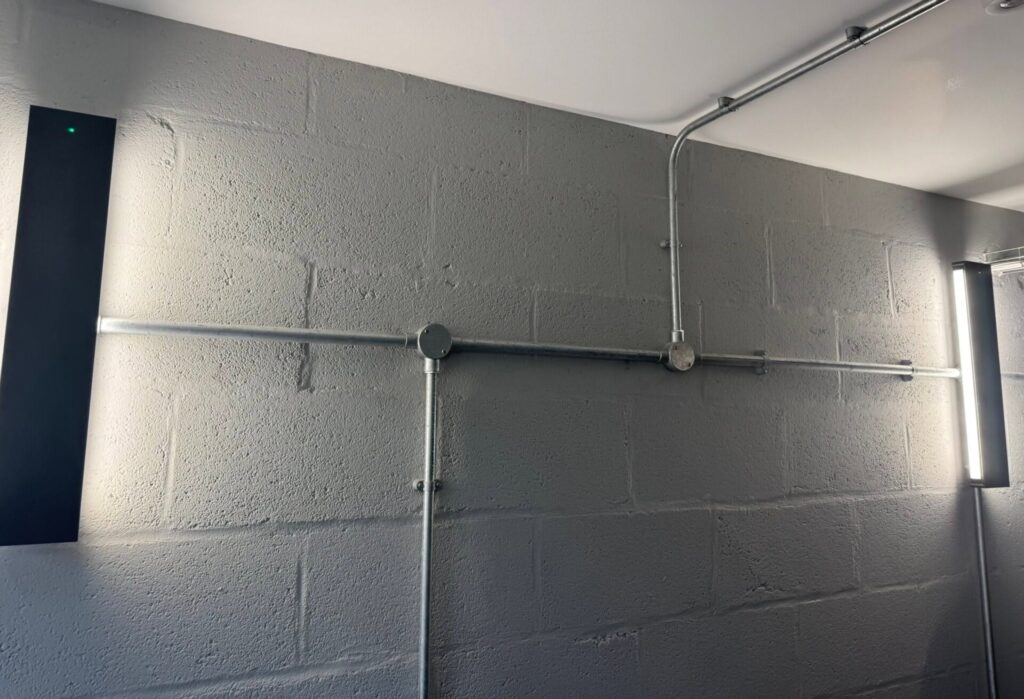
Outdoor areas deserve the same attention. Lighting around entrances, steps, parking areas, and garden paths can improve orientation after dark when it is positioned carefully and controlled without glare. Low-energy fittings, timers, photocells, and motion sensors can all be useful, but controls should be chosen around the household’s routines. A well-planned lighting installation should feel natural to use and should not leave residents constantly overriding automatic settings.
When replacing older fittings, consider colour temperature, beam spread, maintenance access, and the appearance of the fitting in daylight. Good lighting should support the architecture of the home while remaining practical to clean, replace, and adjust. It is often better to use several modest sources than one oversized fitting that creates glare and deep shadows.
Allow for future upgrades
Electrical demand is changing quickly. A household may not need an EV charger, battery system, or garden office today, but sensible planning can make a future addition less disruptive. Reserving suitable space in distribution equipment, checking incoming capacity, and considering spare ways or routes during a renovation can reduce later cost and disturbance.
Future-proofing does not mean installing equipment that is not needed. It means making proportionate decisions while access is available. For example, a new outbuilding supply can be sized around realistic use, with provision for additional lighting or sockets if the building’s role expands. Likewise, a kitchen refurbishment can allow for likely appliance changes without filling every wall with unnecessary accessories.
For homeowners in Hom Green, the best result is an installation that feels quietly dependable: lights operate as expected, sockets are where they are needed, protective devices are clearly arranged, and future work can be carried out without undoing earlier improvements. A site-specific assessment and properly planned installation provide the foundation for that result.
Electrical installation support in Hom Green
Every property has its own combination of age, layout, construction, and usage. Before work begins, discuss the intended improvements, any recurring faults, and the equipment you expect to add over the next few years. This helps shape a practical scope, keeps the work coordinated, and ensures testing and documentation are treated as part of the installation rather than an afterthought.
For homes, renovations, outbuildings, and lighting improvements in Hom Green, professional electrical advice can help turn a collection of small upgrades into a safer and more coherent system.