Electrical work in a Ross-on-Wye home should make everyday life easier while giving you confidence that the installation is safe, properly planned and ready for future needs. Older properties, extensions, converted rooms and busy family spaces can all place different demands on the wiring, sockets, lighting and protective equipment. A thoughtful plan helps avoid rushed decisions, unnecessary disruption and solutions that feel outdated soon after the work is finished.
Whether you are improving one room or coordinating several upgrades, it is useful to consider how the property is used now and how that may change. A new kitchen, home office, garden room, heat pump or electric vehicle can all affect the way power is distributed around the building. Professional advice at the start can identify practical routes for cables, suitable circuit protection and sensible locations for controls before walls, floors or fitted furniture limit the options.
Start with a Clear Electrical Plan
A successful installation begins with a clear conversation about priorities. Walk through each room and note where appliances, workstations, televisions, charging points and task lighting are likely to be used. This is particularly valuable in period homes around Ross-on-Wye, where thick walls, solid floors and previous alterations may make access more complicated. Recording the intended layout early allows the electrician to consider cable routes and connection points without relying on last-minute compromises.
It is also worth looking beyond the immediate project. A socket that is convenient today may become hidden behind cabinetry, while a single lighting switch may not suit a room that is later divided into separate zones. Discussing spare capacity, external supplies and future equipment can make the installation more adaptable. For larger refurbishments, a planned electrical installation service can coordinate the work with builders, kitchen fitters and decorators so that each stage is completed in the right order.
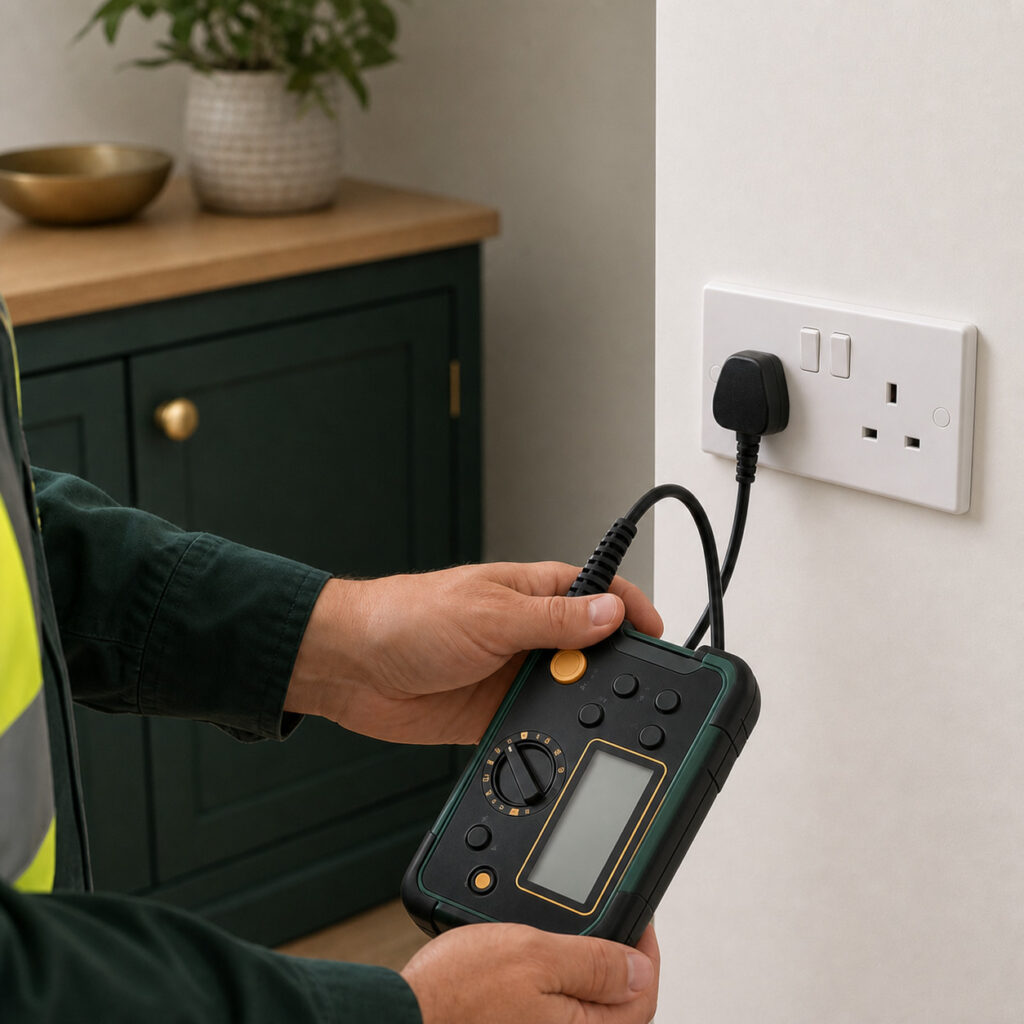
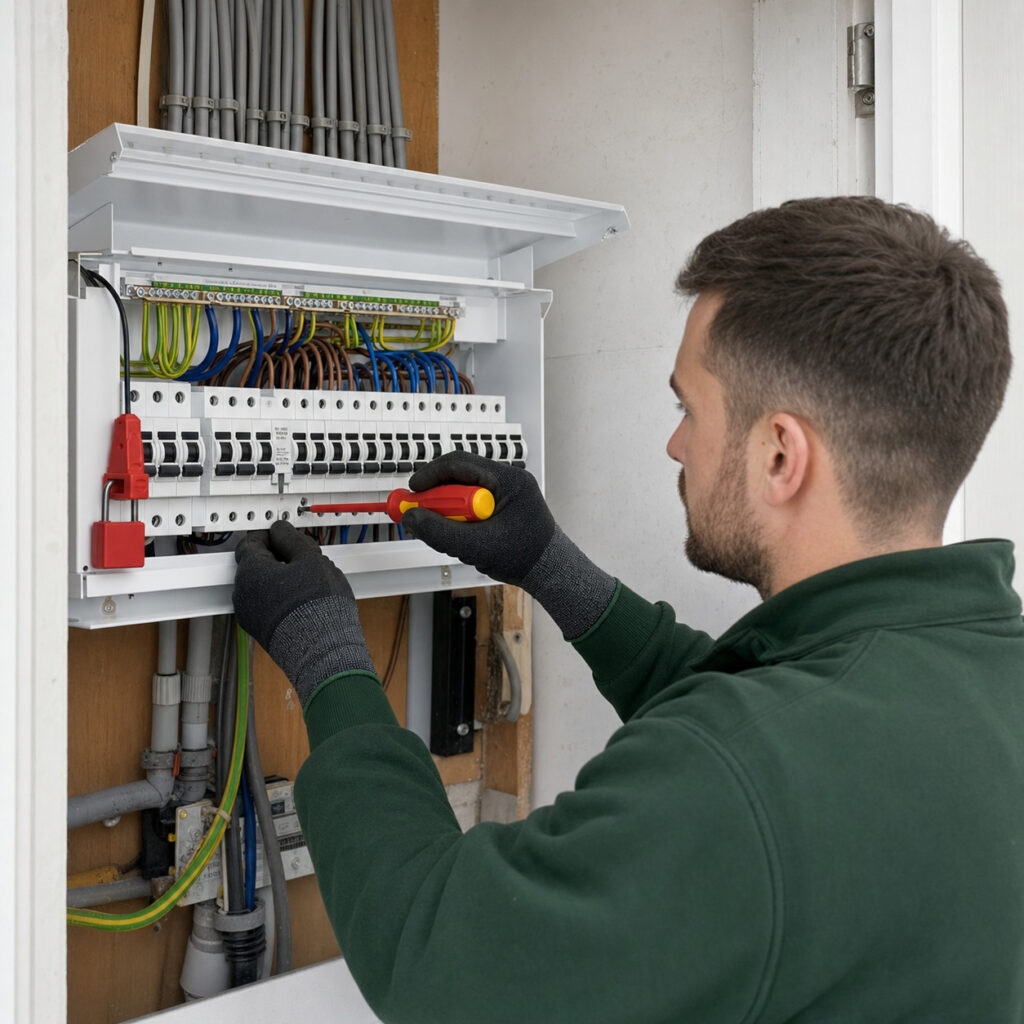
Good planning should include the consumer unit, earthing arrangements and the condition of existing circuits. These details influence what can be added safely and whether improvements are sensible before new equipment is connected. A visual inspection and appropriate testing help establish a dependable starting point rather than treating every circuit as suitable simply because it currently appears to work.
Make Safety and Protection Part of the Design
Protection is not an afterthought. Modern homes use many more electronic devices than they did when older wiring was installed, and demand is often concentrated in kitchens, utility rooms, offices and outbuildings. Correctly selected protective devices, sound connections and suitable cable sizing help reduce the risk of overheating, nuisance tripping and damage to equipment. The installation should also be arranged so that future fault finding is straightforward, with circuits clearly identified and accessible points kept usable.
Bathrooms, kitchens, garages and outdoor areas need particular care because moisture, heat, movement and exposure can change the requirements. Exterior sockets and lighting should be appropriate for their location, while garden offices and workshops may need their own supply and protective arrangements. If a property has had several additions over the years, testing can reveal loose connections, outdated accessories or circuits that no longer match how the rooms are being used.
Clear documentation matters as well. Labelling the consumer unit, recording test results and explaining the operation of new controls gives the homeowner a useful reference for maintenance and future alterations. It also helps another qualified electrician understand the installation if additional work is required later.
Coordinate Lighting, Power and Future Technology
Electrical installation planning works best when lighting and power are considered together. A well-positioned combination of general, task and accent lighting can improve comfort without filling the walls with awkward switches. In a kitchen, for example, worktop lighting, appliance supplies and accessible sockets should be planned as one arrangement. In a home office, power and data equipment can be positioned to reduce trailing cables and avoid overloading one convenient outlet.
Future technology deserves space in the conversation. Smart controls, security equipment, garden buildings and renewable-energy systems may require dedicated supplies or suitable routes for data and control cables. An installation that leaves some capacity and access for later changes can be more economical than opening finished surfaces a second time. Where a home is preparing for an electric vehicle, charger planning should account for the parking position, cable route, consumer unit capacity and the possibility of higher demand in the future. The existing EV charger installation service page provides a useful starting point for that discussion.
Choose Workmanship That Suits Your Ross-on-Wye Home
Every property has its own character, and the best result balances technical standards with a neat, considerate finish. In a period home, cable routes and accessory styles may need extra thought to preserve original features. In a newer property, the priority may be tidy integration with fitted furniture, efficient controls and minimal visible cabling. Either way, the work should be carried out methodically, with the room protected and the final position of every accessory agreed before installation begins.
Ask for a clear description of the proposed work, the materials being used and the testing that will be completed. A reliable electrician should be able to explain decisions in plain language, identify any limitations in the existing installation and set realistic expectations for the programme. This approach is especially helpful when several trades are working in the same property and access needs to be coordinated.
Lighting improvements can also transform how a home feels and functions, from safer entrances and paths to calmer bedrooms and more useful living spaces. If you are considering a wider lighting project, the lighting installation service information can help you think through the options. With careful planning, suitable protection and attention to the details of the building, electrical work in Ross-on-Wye can provide a durable foundation for comfortable living now and future improvements later.